Last updated November 21, 2026
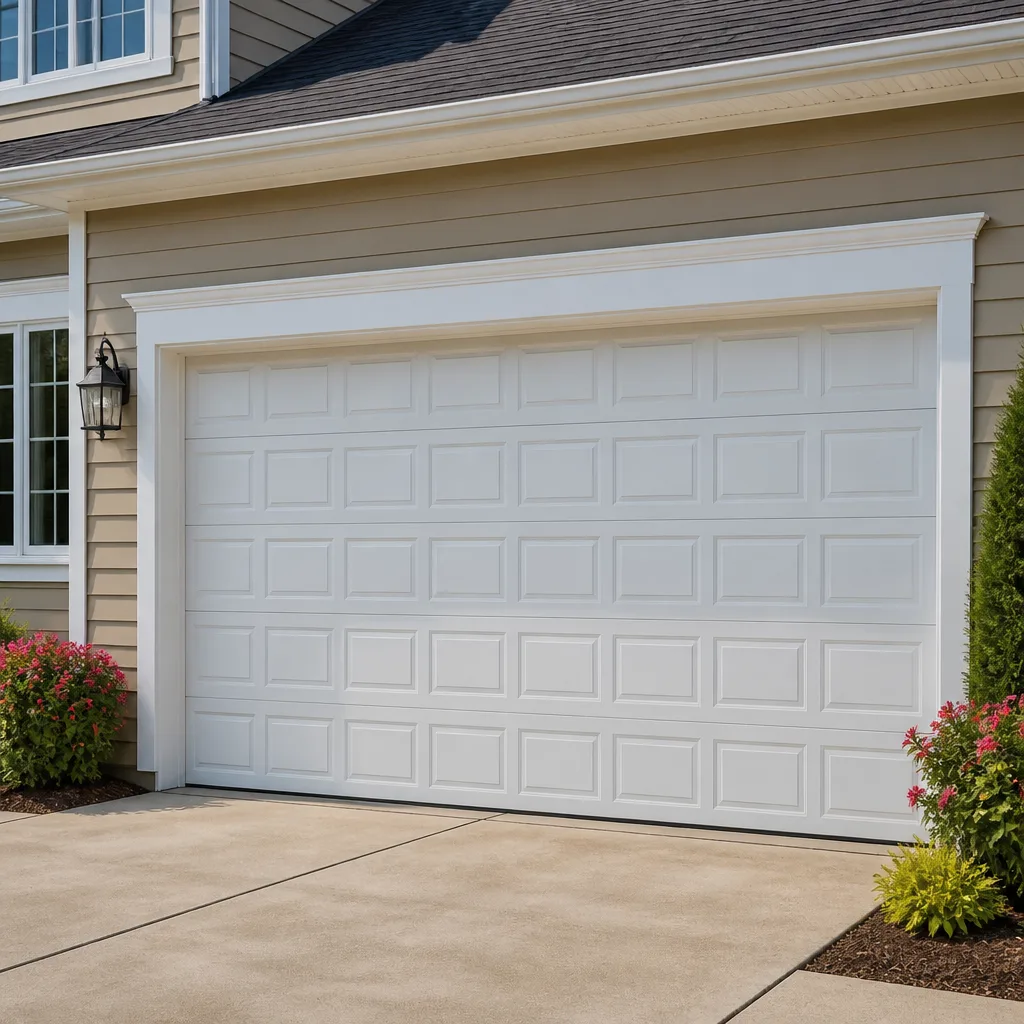 Raised-panel steel
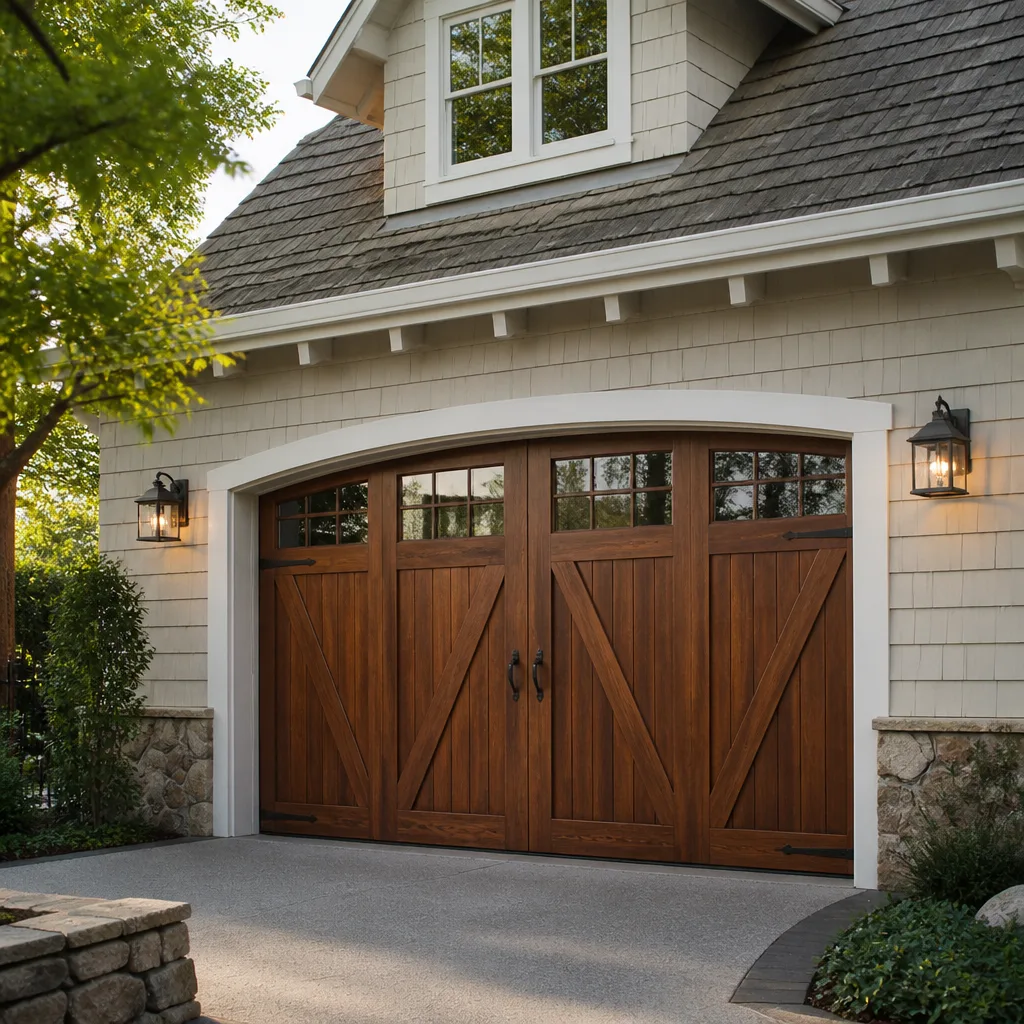 Carriage house
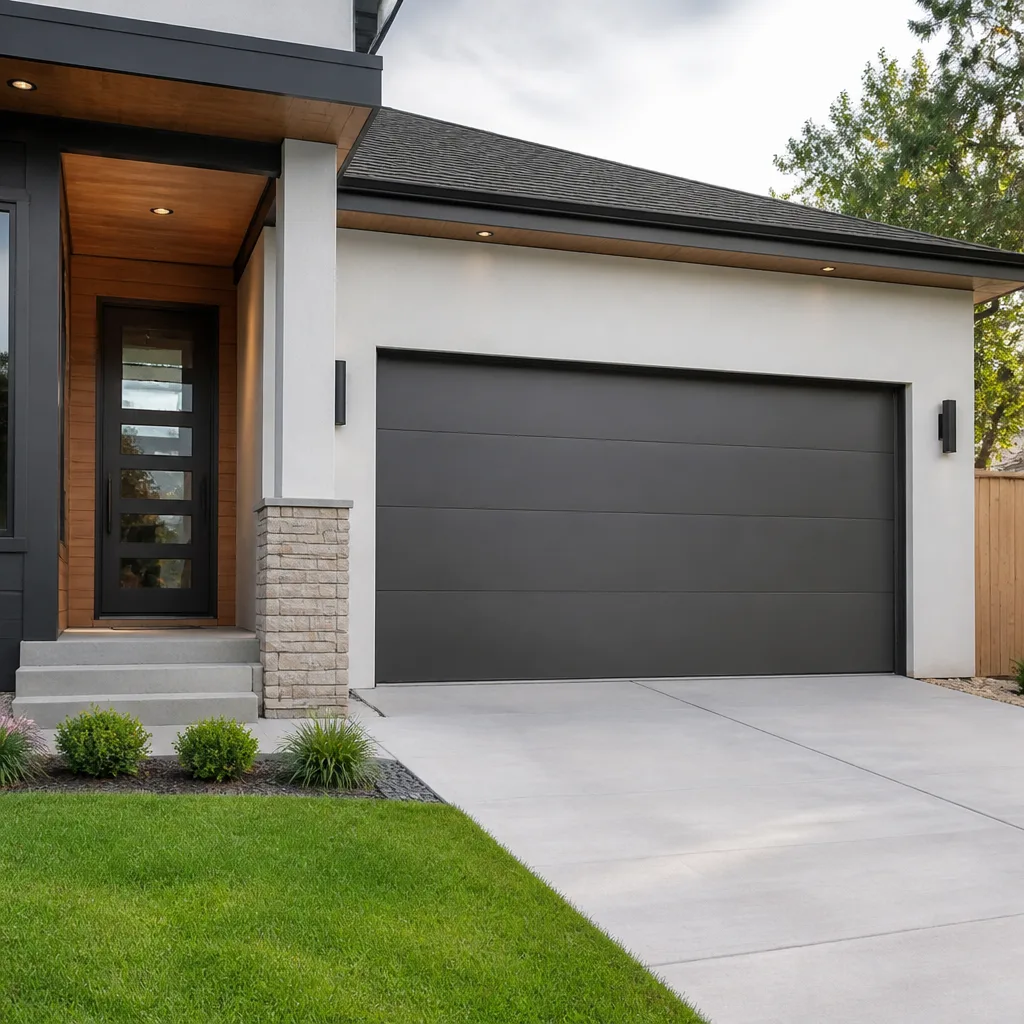 Modern flush
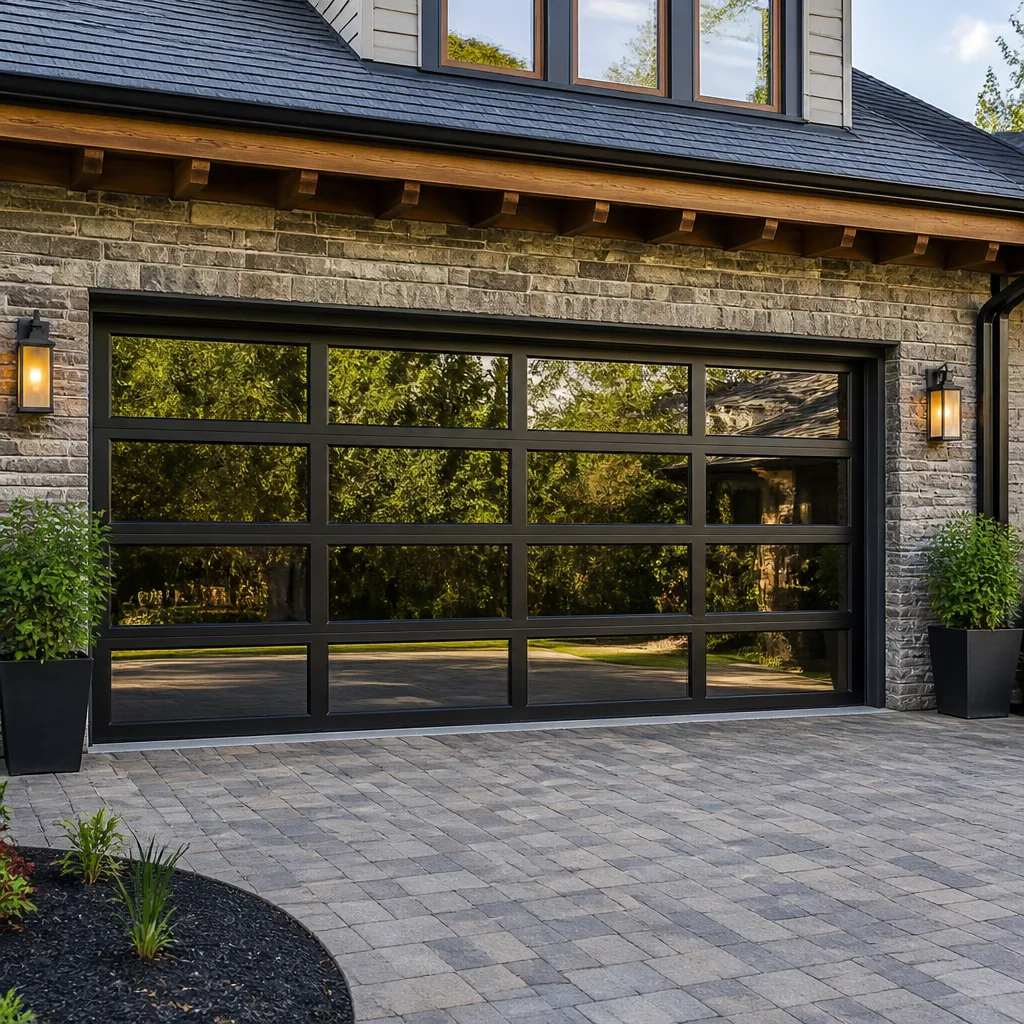 Full-view glass
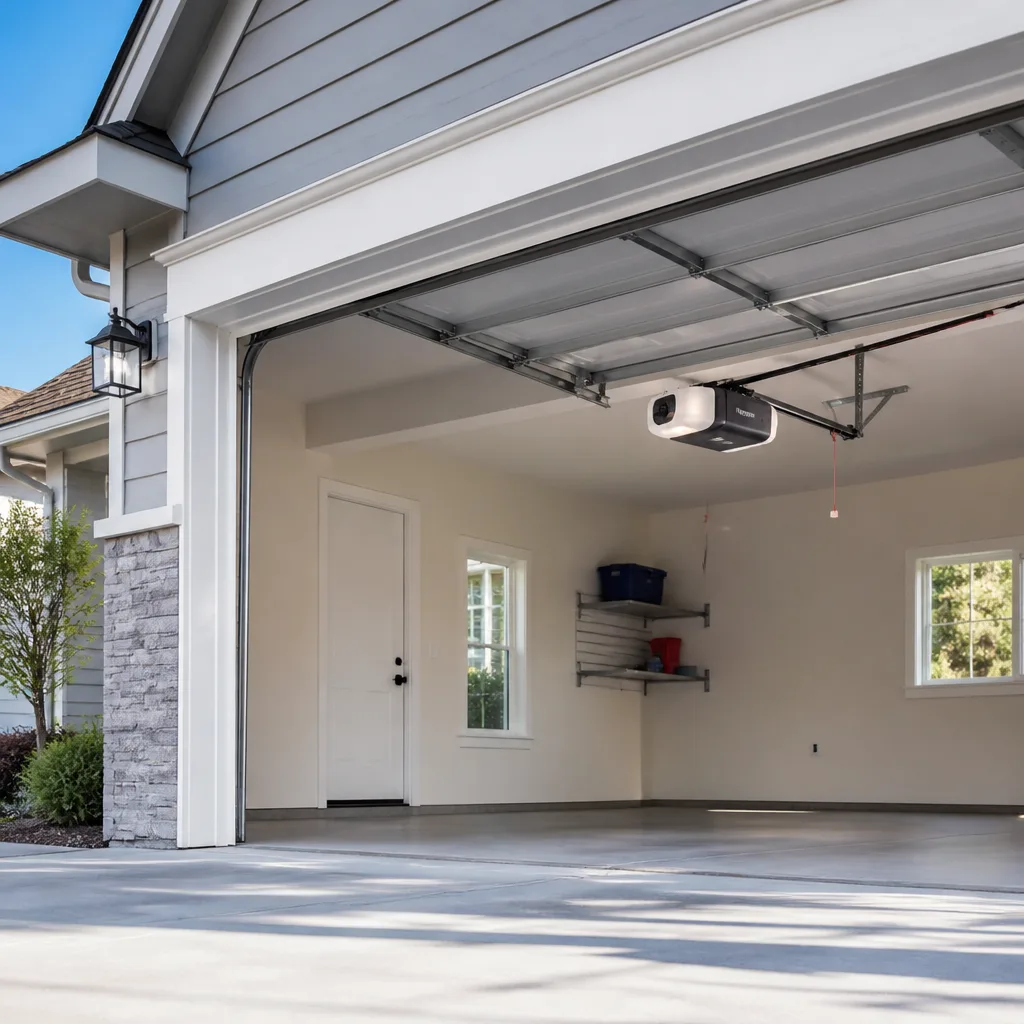 LiftMaster openers
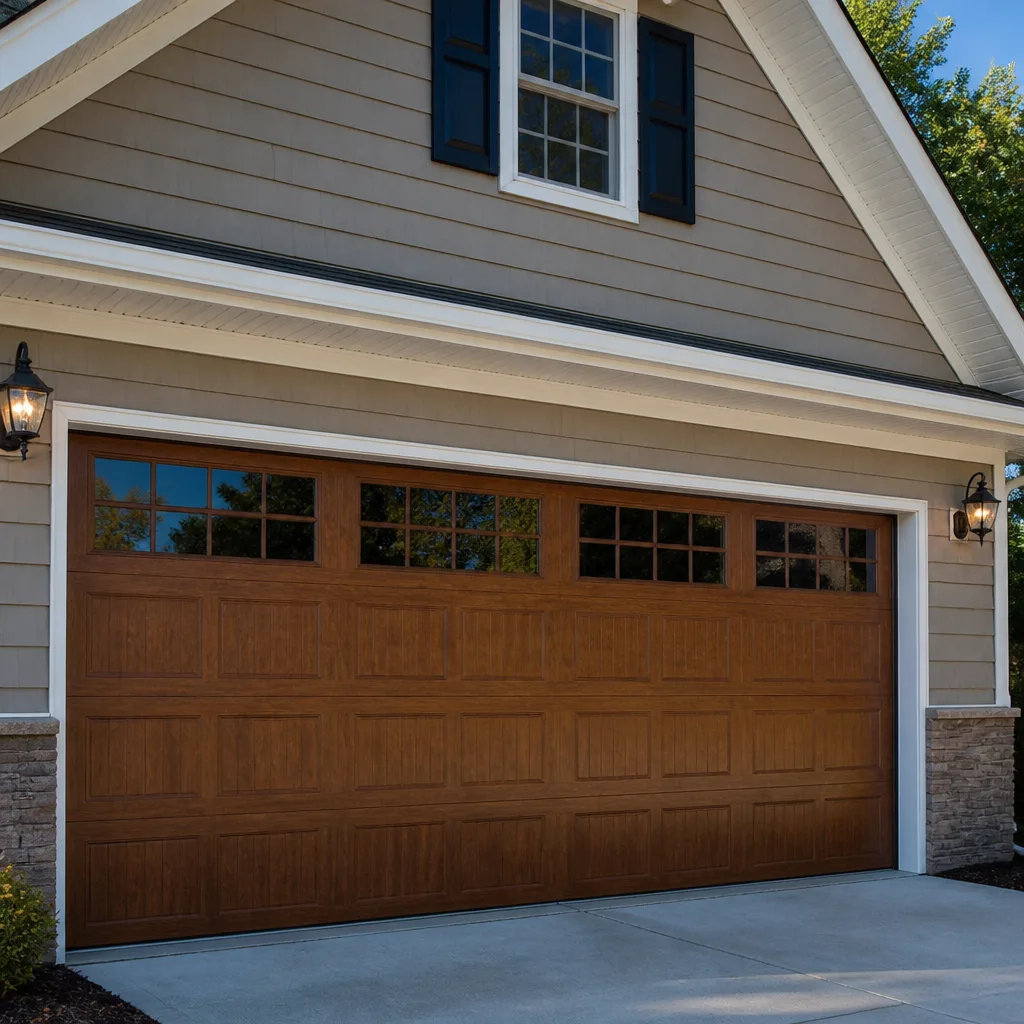 Chamberlain openers
Full 25-point door and opener safety check with every visit - springs, cables, rollers, tracks, and your LiftMaster or Chamberlain opener included
You get a price before we start. It does not change when the pro arrives.
Get your free estimateHow to Hire a Garage Door Contractor in Charlestown: A Step-by-Step Guide
The most common complaint after a bad garage door hire isn’t poor workmanship. It’s the quote that grows legs. A technician sizes up the job over the phone, names a number, shows up, and then adds charges for “non-standard” conditions that anyone who’d actually worked in a Charlestown garage would have seen coming. Low headroom under a finished ceiling. A track mounted tight to a masonry wall. An outlet on the wrong side of the bay. None of that is a surprise to an experienced contractor. All of it becomes a surprise invoice to a homeowner who didn’t ask the right questions. This guide walks you through the vetting process step by step, with the specific questions to ask before you sign anything.
Quick Answer
To hire a garage door contractor in Charlestown, verify Massachusetts licensure and insurance first, then ask three site-specific questions before accepting any quote: headroom above the door, track and wall clearance, and the location of the power source for the opener. A written, itemized estimate that names brands and part types is the baseline. Anyone who won’t put those details on paper isn’t the right hire, no matter the price.
Styles & brands we work with
- Raised-panel steel
- Carriage house
- Modern flush
- Full-view glass
- LiftMaster openers
- Chamberlain openers
Table of Contents
- Why Hiring in Charlestown Is Different From Anywhere Else
- The Three Site Questions to Ask Before You Accept Any Quote
- License and Insurance: What Massachusetts Requires and How to Verify It Fast
- How to Read a Garage Door Estimate Line by Line
- How to Compare a Bundled Quote Against an Itemized One
- Springs, Cables, and Why Their Description Matters
- Red Flags Specific to Garage Door Contractors
- The Vetting Checklist: What to Ask on the Phone
Why Hiring in Charlestown Is Different From Anywhere Else
Charlestown isn’t a subdivision of identical three-car garages. It’s a dense, older neighborhood where a lot of residential garages were built as afterthoughts or added on decades after the house went up. That history shows up in the physical constraints a contractor has to work around, and it’s why a generic national quote rarely survives contact with the actual site.
Some of what makes a Charlestown garage different:
- Tight headroom. Many garages here have low ceilings or finished rooms above the door bay. A standard door needs roughly 12 inches of headroom for the torsion spring and hardware; a low-headroom setup needs a different spring configuration entirely. A contractor who quotes a standard install without asking is quoting a job they’ll revise.
- Masonry side walls. Brick and block walls are common, and track mounting into that surface takes different fasteners and sometimes blocking. It’s routine work, but it’s work that has to be anticipated.
- Alley and easement access. Some bays open onto narrow drives or shared access, which affects how equipment and materials get to the door.
- Older electrical layouts. The opener outlet isn’t always where a modern install would put it, and the wiring may need attention before a new motor goes in.
- New England freeze-thaw. Charlestown’s winter swings put stress on door seals, weatherstripping, and the bottom brackets, so a quote that ignores those components is only a partial solution.
None of this is exotic. An experienced contractor in Charlestown anticipates all of it during the initial walkthrough and prices the job accordingly. That’s the whole point: the quote you get should reflect the garage you have, not a theoretical garage on a spec sheet.
One practical note: when the job involves a full replacement rather than a repair, the process is measured and scheduled, not rushed. Expect a free measure and a written price rather than an immediate time commitment. For that side of the work, you can look at garage door installation to understand what the process looks like.
The Three Site Questions to Ask Before You Accept Any Quote
These are the questions that separate a real quote from a phone estimate that will grow once the technician arrives. Ask all three before you accept any number.
- How much headroom do I have, and does that change the install? A standard torsion spring requires about a foot of clearance above the door. A liftmaster or Genie opener also needs room for the rail and motor. Low headroom means a low-clearance spring setup, which is a different part and a different price. If the contractor can’t answer from a photo or a site visit, they haven’t actually looked.
- How much track clearance is there on each side? Standard vertical track needs about 3 to 4 inches of wall space on each side. In a Charlestown garage where the track is mounted tight against masonry, that number matters. It shifts what brackets and fasteners are needed, and it can affect which door size is realistic.
- Where is the opener’s power coming from, and is it adequate? The outlet needs to be near the motor, and older garages sometimes have a single ungrounded outlet shared with lighting. Rewiring or adding a line is a legitimate line item, but it should appear in the estimate, not as a surprise on the day of the job.
If a contractor asks you these questions on the phone, that’s a good sign. It means they’re thinking about your garage, not just your zip code. If they quote a flat price without asking, ask them what assumptions the quote is built on. Then write those assumptions down and compare them to the next quote you get.
License and Insurance: What Massachusetts Requires and How to Verify It Fast
Massachusetts has a home improvement contractor registration system, and you can check a contractor’s standing through the state’s consumer affairs office before you hire. What you’re verifying is basic: that the business is registered, that it’s insured as the state requires, and that the name on the estimate matches the name on the registration. If those three don’t line up, walk away.
A quick verification routine:
- Ask for the registration number and the legal business name, in writing.
- Look up that number in the state registry and confirm the name and status match the estimate.
- Ask for a certificate of insurance and confirm the coverage dates haven’t lapsed. If the certificate looks current, ask the contractor to have the carrier send a fresh copy directly to you.
- Ask whether workers’ compensation coverage is in place if the crew includes employees, not just the contractor.
Coverage matters more on garage door work than homeowners sometimes realize. A torsion spring under tension can release dangerous force if mishandled, and a fall from a ladder near the track is a real injury risk. You want the person doing the work to be covered, and you want them to be the one carrying that risk, not you.
Our role in the process is straightforward: we connect homeowners across Charlestown with independent local professionals who are licensed and insured as their state requires. The technicians we connect you with have up to 12 years of experience. When you’re vetting any contractor, including the pros we connect you with, ask the same questions and check the same paperwork. A good contractor will welcome the check.
How to Read a Garage Door Estimate Line by Line
An estimate that says “replace garage door: $X” is not an estimate. It’s a placeholder. A real one tells you what’s included under each line, so you can compare it against the next quote without guessing. Here’s what each common line item should actually cover.
- Labor. Should state what’s being done (removal, installation, spring replacement, opener swap, adjustment) and whether the price assumes a single technician or two. Spring work and full-door installs commonly require two people, and that affects the labor number.
- Hardware. Should name the parts: springs (torsion or extension, matched pair or single), cables, drums, hinges, rollers, bottom brackets, and any bearing plates. If it just says “hardware,” ask what’s on the list.
- Door or opener. Should name the brand and model or series. Clopay, Amarr, Wayne Dalton, and similar manufacturers have distinct product lines, and a quote that names none of them can’t be compared to anything.
- Disposal. Should state whether old door panels, springs, and packaging are hauled away and whether there’s a charge for it. Skip this line and you may find yourself with a stack of panels in the driveway.
- Permits. If a permit is required in your case, the line should say so. Not every installation requires one, but if yours does, ask your city’s building department rather than relying on the contractor’s word alone.
- Taxes and fees. Should be itemized, not folded into a lump total.
When you have two or three estimates in front of you, put them in columns with the same line items. The gaps tell you something. A quote that’s missing an entire category (no disposal, no permit line, no brand name) hasn’t actually been priced. A quote that’s higher but includes more is often the more honest number. And the final price is always the one written on the estimate you agree to before any work starts. If a contractor can’t commit to that in writing, that’s your answer.
How to Compare a Bundled Quote Against an Itemized One
One contractor hands you a single-page, all-in price. Another hands you a detailed breakdown. On paper, the bundled quote may look cheaper. Without normalizing them, you’re comparing a price to a promise.
The method that makes comparison honest:
- Request that all quotes be broken out in the same categories: labor, hardware, door or opener, disposal, permit, taxes.
- Rewrite the bundled quote yourself by asking the contractor to allocate their lump sum into those categories. Most will, and the ones who won’t are telling you something.
- Flag anything that appears in one quote and not the other. Missing items aren’t free; they’re usually the things that get added later.
- Compare hardware brand and series, line for line. A Clopay door line in one quote and an unnamed door in another aren’t the same product.
- Compare the assumptions. Does one quote assume a standard headroom install and the other a low-clearance setup? That single difference can account for the whole gap.
- Check the warranty language in both. What’s covered, for how long, and by whom.
Once you’ve normalized them, the comparison usually resolves itself. The cheaper quote either holds up or it doesn’t. What matters is that you’re comparing the same scope of work, not the same number of pages.
Springs, Cables, and Why Their Description Matters
If you take one thing from this guide, make it this: the spring line in your estimate should be specific. Springs are the highest-failure component in any garage door system, and they’re also the most dangerous to touch. A quote that just says “replace springs” is a quote you can’t evaluate.
What a proper spring description should tell you:
- Whether it’s a torsion spring or extension spring system, since the two work differently and use different hardware.
- Whether the quote covers one spring or a matched pair. These are two very different prices, and a matched pair is usually replaced together because both springs wear at the same rate.
- The cycle life of the replacement, so you know what you’re paying for in durability.
- Whether the cables, drums, and bearings are being inspected or replaced at the same time, because a new spring against a failing cable is a problem waiting to happen.
A word on safety here. Springs and cables are under high tension, and a spring that lets go during handling can cause serious injury. This isn’t a component to work on yourself, and any contractor who suggests you can is telling you something about how they think about risk. A real professional will flag the danger, handle the spring work with the right tools, and tell you plainly what to stay away from. If you’re not sure whether a problem is spring or opener related, our garage door repair page and garage door opener repair page both walk through the diagnosis so you can describe the symptoms on the phone.
Red Flags Specific to Garage Door Contractors
General contractor red flags apply here, but garage door work has its own set. These are the ones we’d watch for when vetting a pro for a job in Charlestown.
- Vague spring descriptions. “Replace spring” without a type, cycle life, or a note on whether it’s one or a pair means you don’t know what you’re buying. Push for specifics or find someone who’ll give them.
- No brand disclosure on parts. LiftMaster, Chamberlain, Genie, Clopay, Amarr, and Wayne Dalton parts are not interchangeable, and a contractor who won’t name what they’ll install is either guessing or hiding the cheap option.
- Same-day pressure on a replacement. Repair calls can often be handled quickly, which is a fair reason for urgency. A full door replacement is a different matter: it needs measurement, ordering, and scheduling. If someone tries to close a replacement sale the same day, slow down.
- Quotes built on unknowns. A price that doesn’t mention headroom, track clearance, or power source in a Charlestown garage is a price built on assumptions. Ask which ones.
- No written estimate. Verbal prices and “we’ll figure it out on site” are how surprise charges happen.
- Refusal to show registration and insurance. Easy to verify, so there’s no good reason to withhold it.
- A price that’s dramatically lower than every other quote. It usually means something’s being left out, and the omission tends to surface once the work starts.
The Vetting Checklist: What to Ask on the Phone
Before anyone gets in a truck to come look at your door, run this list. A good contractor will have answers ready. A bad one will get vague around question three.
- What’s your Massachusetts registration number, and what’s the legal name of your business?
- Are you and any employees covered by insurance as the state requires, and can you send a certificate?
- What brands of doors and openers do you work on? Do you handle LiftMaster, Chamberlain, Genie, and Clopay systems?
- Based on what I’ve told you, what headroom and track clearance questions would you need answered before you quote?
- Will the estimate be written, itemized, and specific about parts?
- Does the quote include disposal and any permit costs?
- Who’s doing the actual work, and what’s their experience level?
- What’s covered by warranty, and for how long?
- Will the final price match the written estimate, and will I approve any change before it’s started?
Keep the answers to each one written down next to the quote you get. When you’ve got two or three quotes in hand, this checklist is what tells you which contractor actually did the work of understanding your garage.
Common Mistakes to Avoid
- Accepting a phone quote without a site check. In a Charlestown garage with low headroom or tight track clearance, a phone number is barely a guess. The write-up should reflect the real space.
- Comparing lump sums without normalizing scope. A cheaper total may simply be a shorter list of work. Break both quotes into the same categories before you decide.
- Skipping the registration check. It takes minutes through the state registry, and it’s the difference between a protected hire and an uninsured risk.
- Not asking which spring you’re getting. One spring, a matched pair, and a low-clearance setup are three different jobs at three different prices. If the quote doesn’t say, you don’t know which one you’re buying.
- Assuming a repair and a replacement are the same booking. Repairs can often be scheduled quickly. Replacements need a measure and ordering. Planning around the difference saves a lot of frustration.
- Ignoring the freeze-thaw effect on seals and weatherstripping. New England winters work on the door’s bottom edge every year, and skipping that line in the estimate just delays the same repair.
- Letting a same-day sales pitch on a full replacement rush you. There’s no reason a measured, ordered job needs to be decided in an afternoon. Take the estimate home and compare it.
See the difference
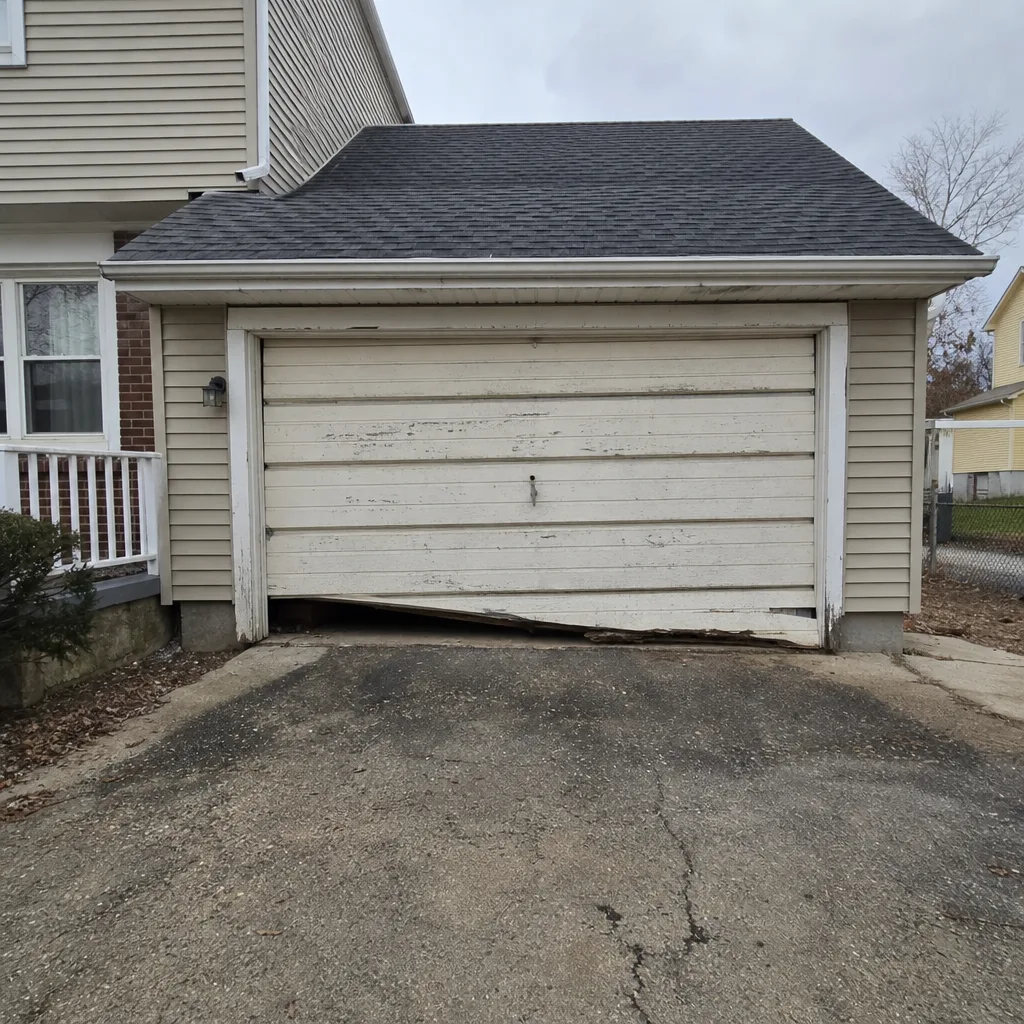 Before
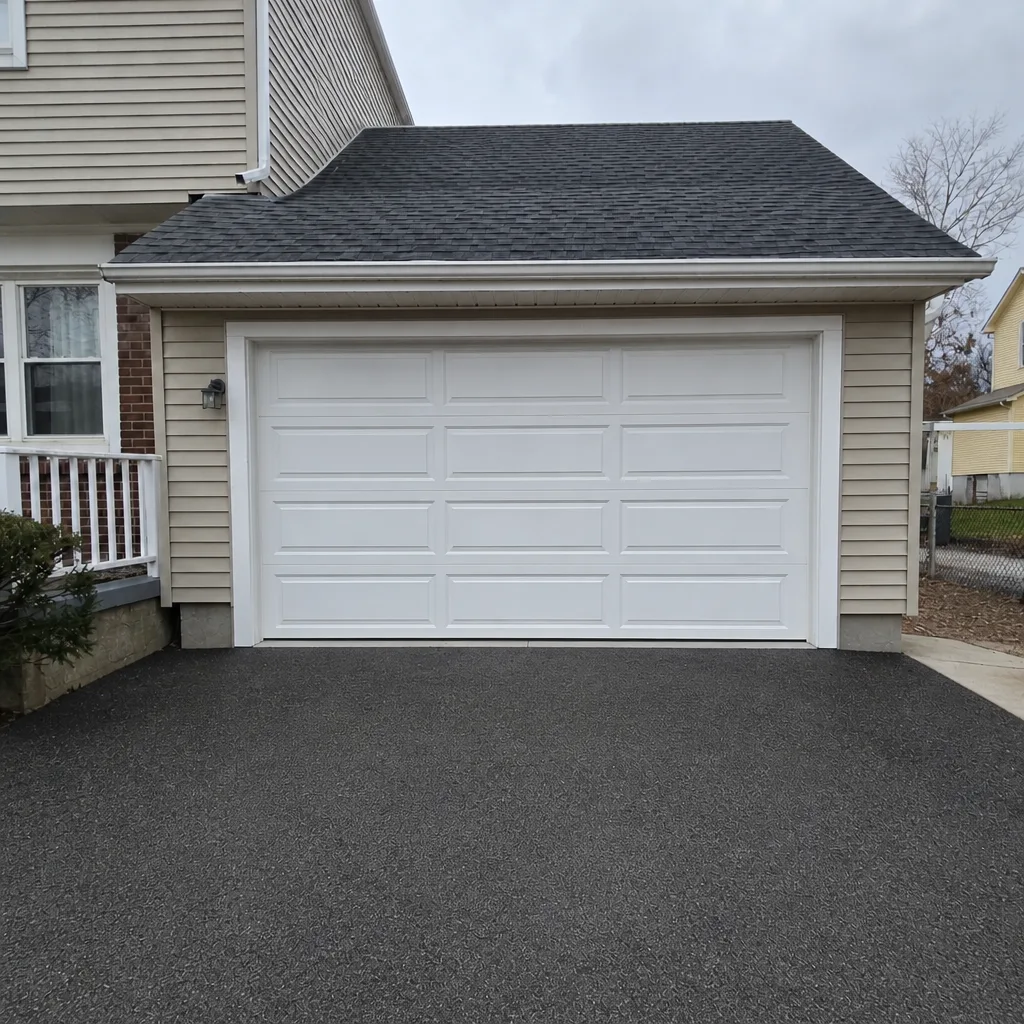 After
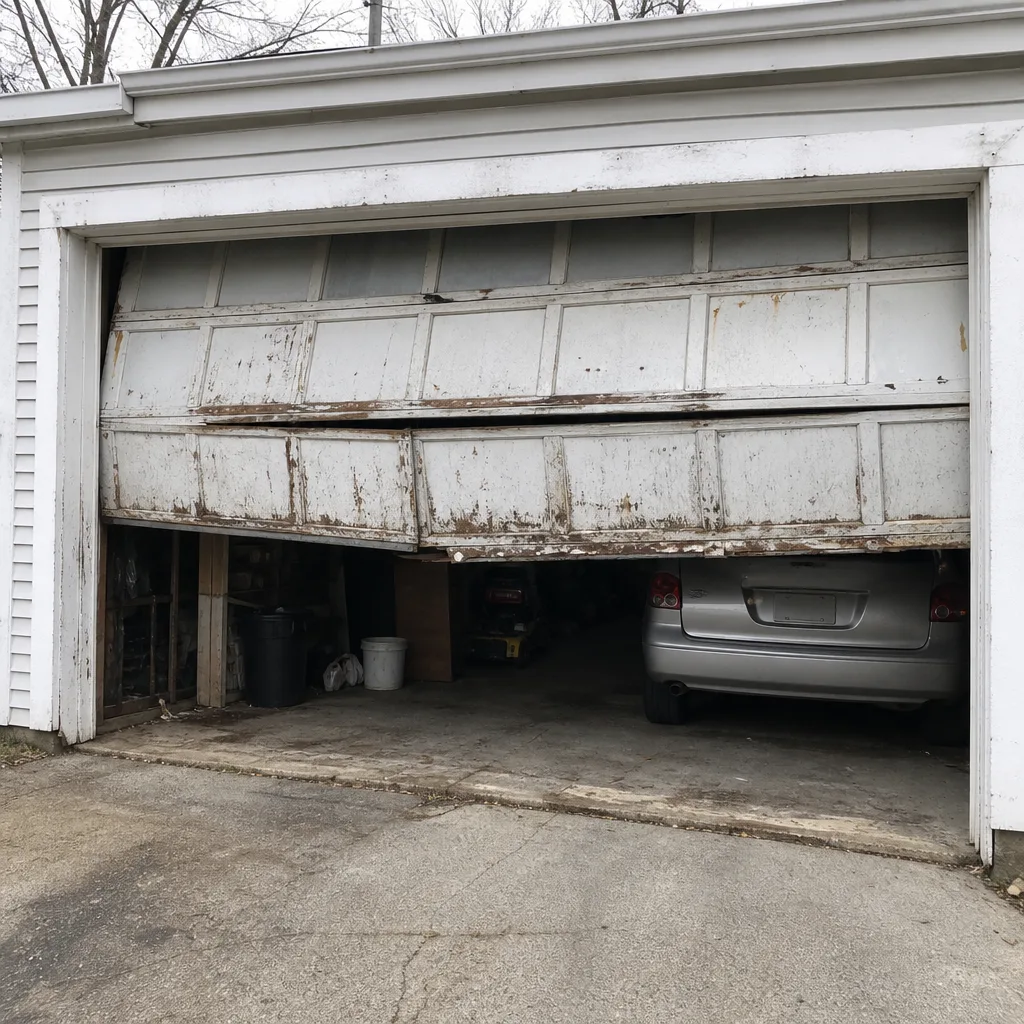 Before
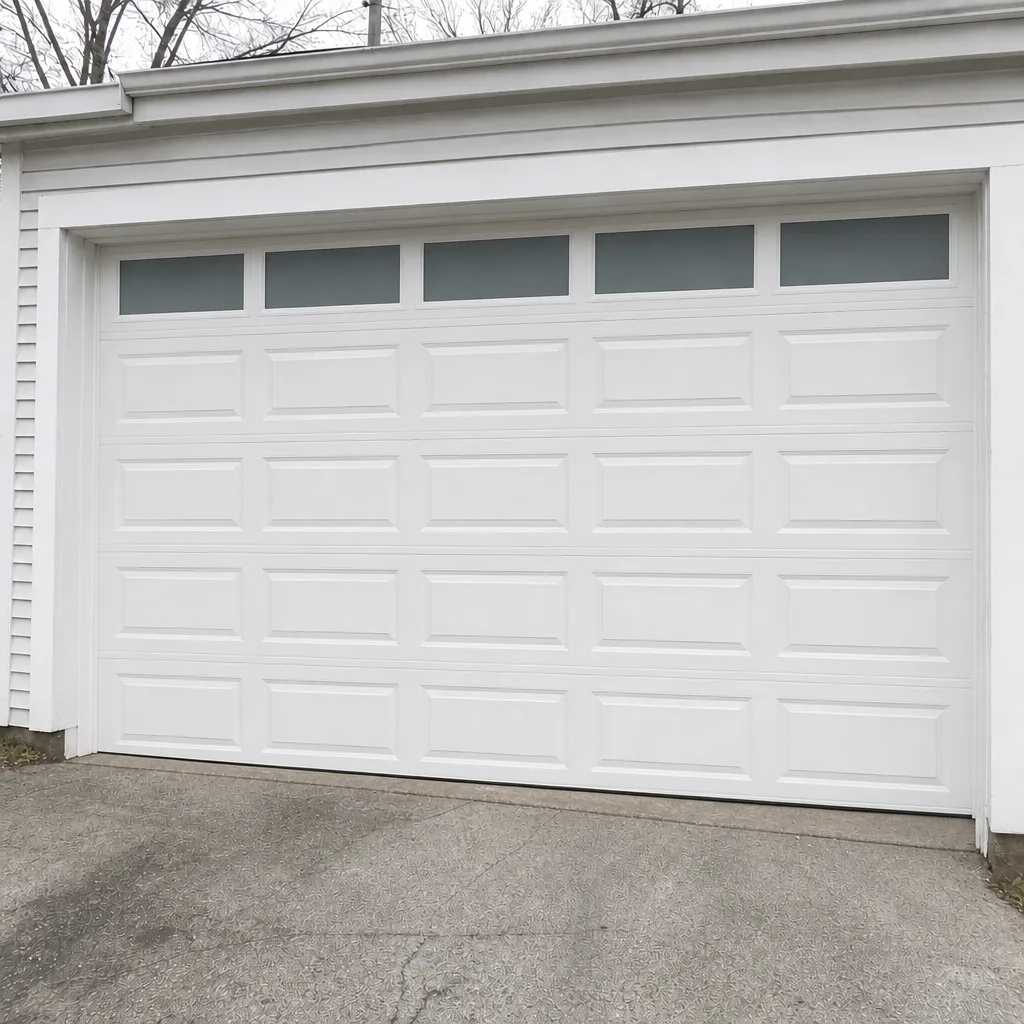 After
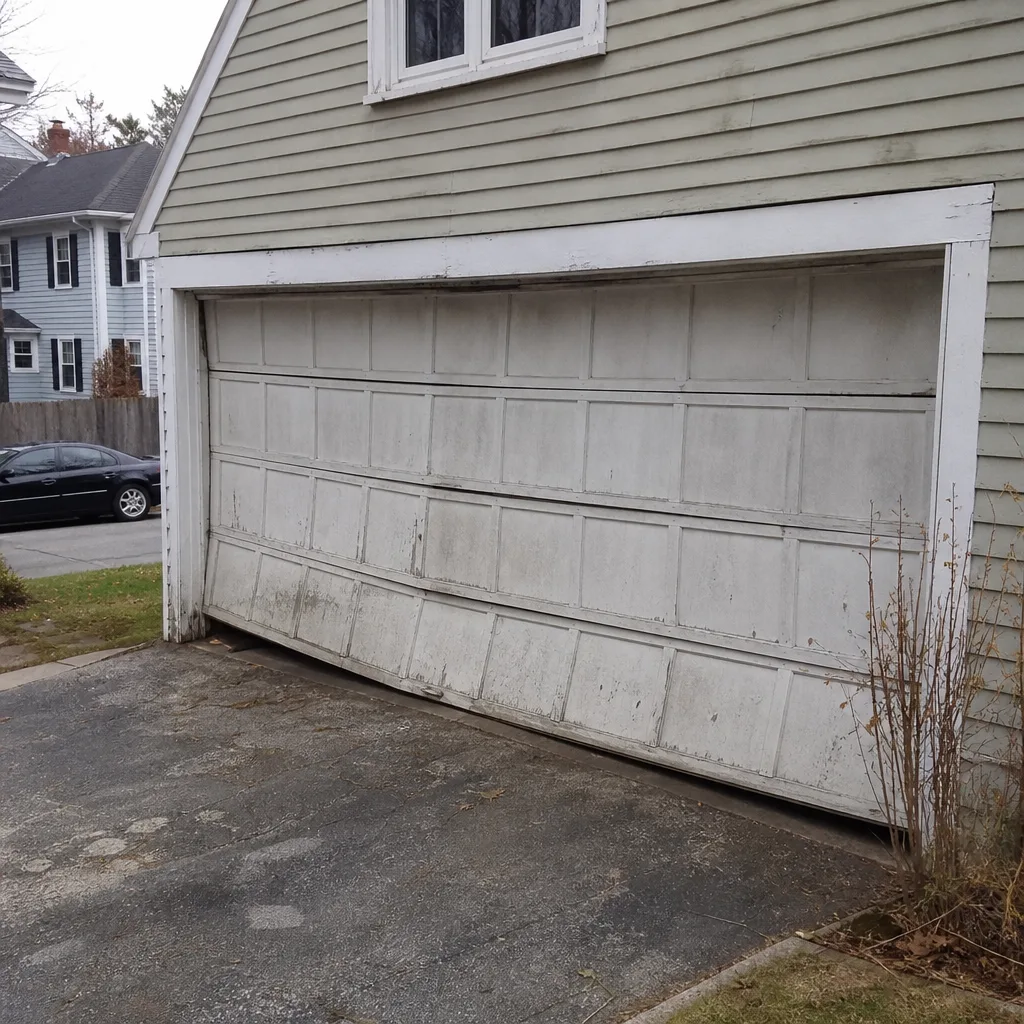 Before
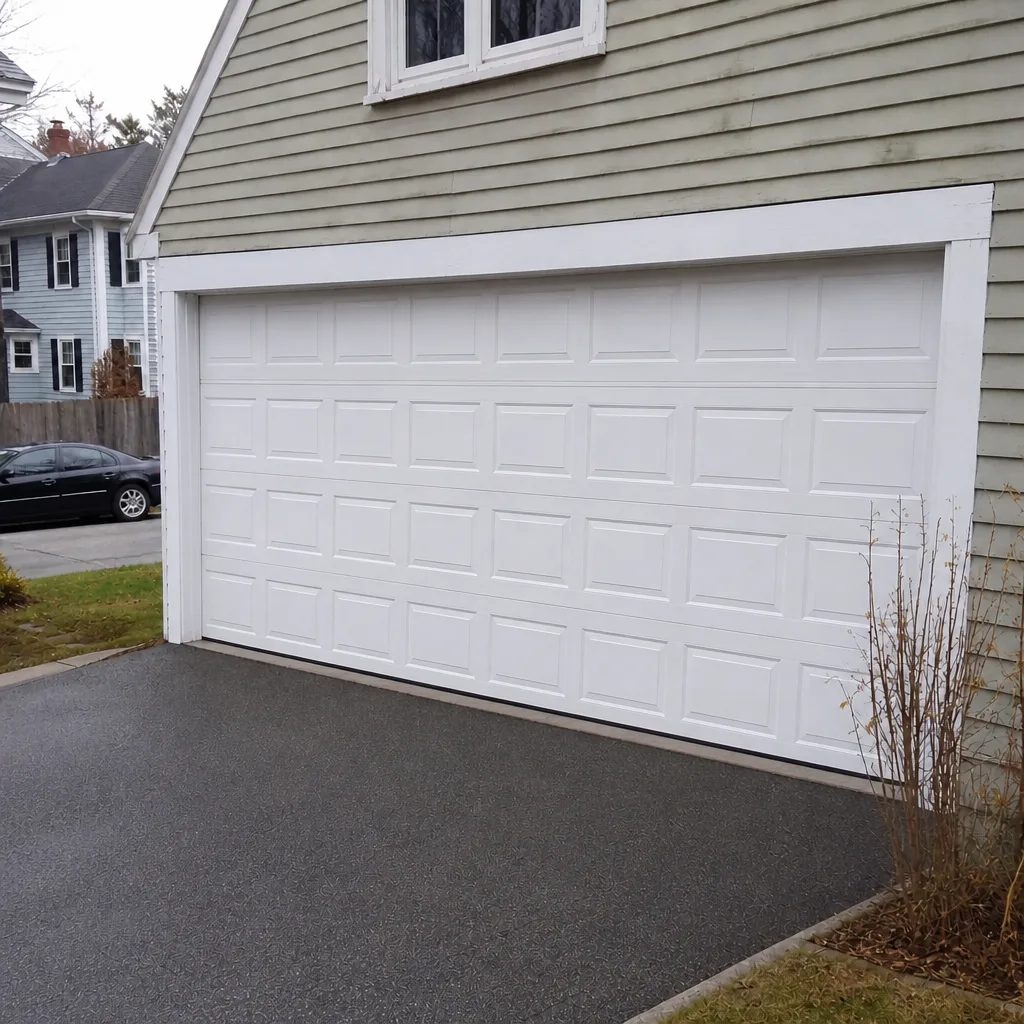 After
When to Call a Professional
Some garage door issues are genuinely a job for a trained professional, and calling one is the safe and sensible move. A snapped spring is the clearest case: the door may come down hard and the hardware is under dangerous tension, so don’t try to lift or adjust anything under the spring. Broken cables, bent tracks, and doors that come off the track are equally clear. Off-balance doors, doors that reverse unexpectedly, and openers that hum without moving the door all warrant a professional diagnosis. If your door opens onto a busy alley or street and can’t be secured, that moves to the front of the list. Our technicians have up to 12 years of experience, and Charleston Garage Door Repair offers free estimates in Charlestown. Call (866) 401-6449 to get a written quote, and we can talk through what the repair likely involves before anyone arrives.
Frequently Asked Questions
Costs vary by job, and the written estimate sets the final price. Repair work is quoted per job by estimate rather than priced from a fixed list, so a spring replacement, a cable repair, and an opener fix each come in at a different range. The best way to get a number you can trust is a free estimate from a contractor who has actually looked at the door or asked you the right site questions. Call (866) 401-6449 for an exact quote.
For repair calls, same-day scheduling is often possible, and you should ask when you call. Replacements work differently: a full door needs to be measured and ordered, so it gets scheduled rather than handled in a single visit. Either way, the process starts with a call, and estimates are free. Call (866) 401-6449 to find out what’s available for your job.
It shouldn’t. A quote that’s built on the right site questions (headroom, track clearance, power source) is a quote that holds. If a contractor discovers something genuinely new during the job, the price shouldn’t move without your approval first. Ask any contractor to put that in writing, and confirm the estimate you sign is the price you pay. Call (866) 401-6449 to book a free estimate.
In Massachusetts, the contractor you hire should be registered with the state and insured as the state requires, and you can verify both before booking. Our role is to connect you with independent local professionals who are vetted and carry that coverage. Ask for the registration number and a certificate of insurance before the work starts, from us or anyone else. Call (866) 401-6449 with questions about the pros we connect you with.
A proper estimate should itemize labor, hardware with brands named, the door or opener model, disposal, any permit costs, and taxes. It should also state the assumptions the price rests on, such as a standard or low-clearance headroom setup. Anything missing from that list is something that can turn into an add-on later. Call (866) 401-6449 for a written, itemized estimate.
We work with LiftMaster, Chamberlain, Genie, Clopay, Amarr, Wayne Dalton, Craftsman, and Raynor systems, covering both door manufacturers and opener brands. That matters for a Charlestown hire because you won’t need to track down a separate contractor for a Genie opener problem after a Clopay door install. One call covers the whole system. To find out what’s involved for your setup, see Charlestown Garage Door Repair or call (866) 401-6449.
The Bottom Line
Hiring well in Charlestown comes down to asking the right questions before you accept a number. Verify registration and insurance. Confirm the contractor has thought about headroom, track clearance, and power. Insist on a written, itemized estimate that names brands and spring types. Compare quotes on scope, not just on the total. And never let a full replacement get rushed; measured work should be measured. If you do those things, the quote you accept is the price you pay, and that’s the whole point of hiring carefully in a neighborhood where the garages are as varied as the homes.
Charlestown Garage Door Repair offers free estimates and written, upfront pricing, and we can work with your insurer when a claim is involved. If you want a straight answer and a clear line-item quote, call (866) 401-6449. We’ll ask the site questions, explain what we find, and put it in writing before anyone touches the door.
Written by the team at Charlestown Garage Door Repair.