Last updated November 21, 2026
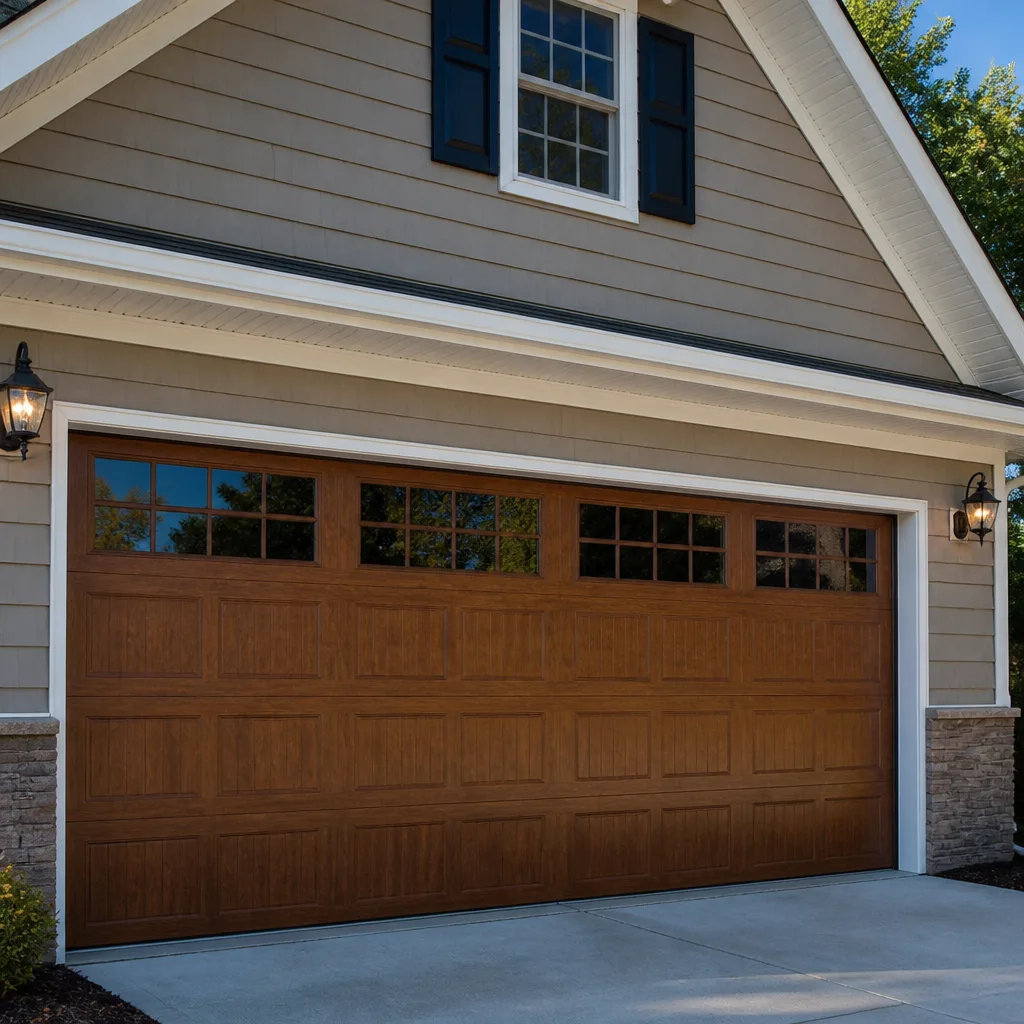
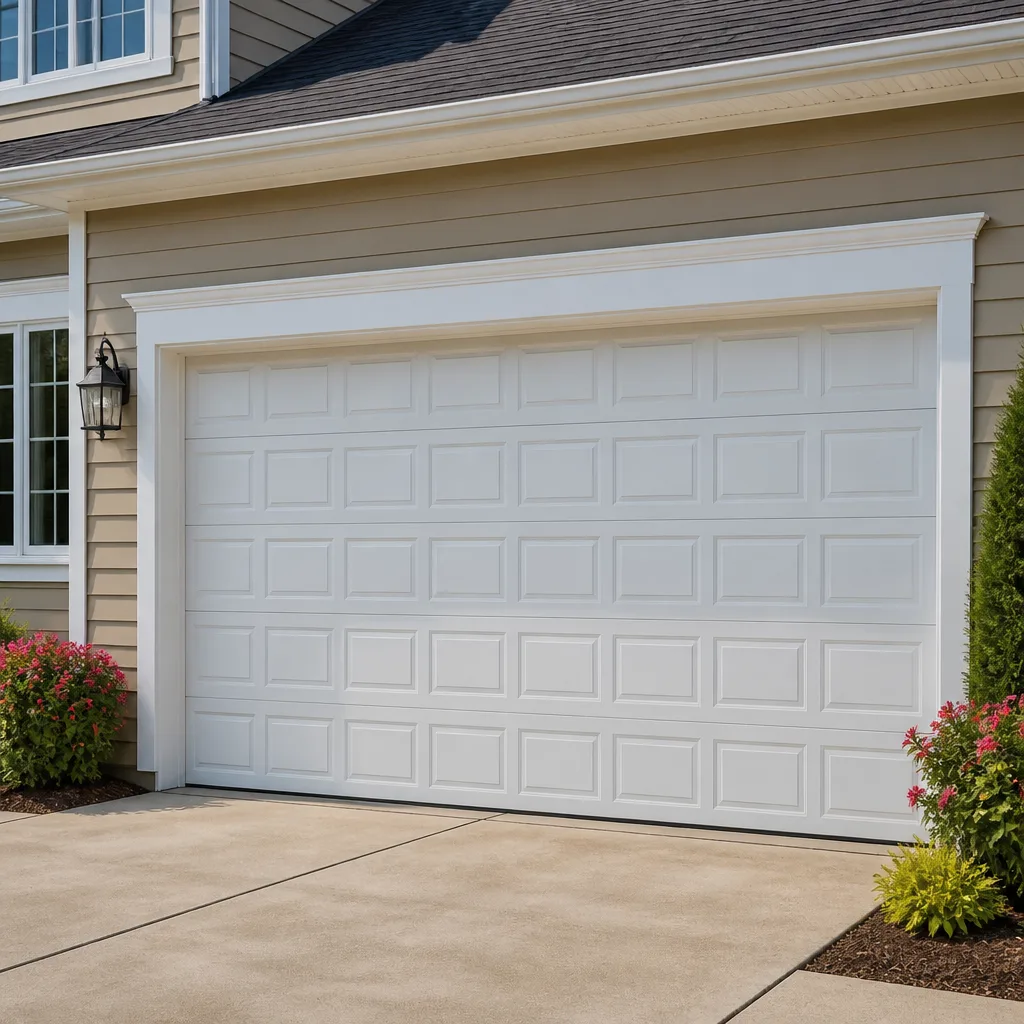 Raised-panel steel
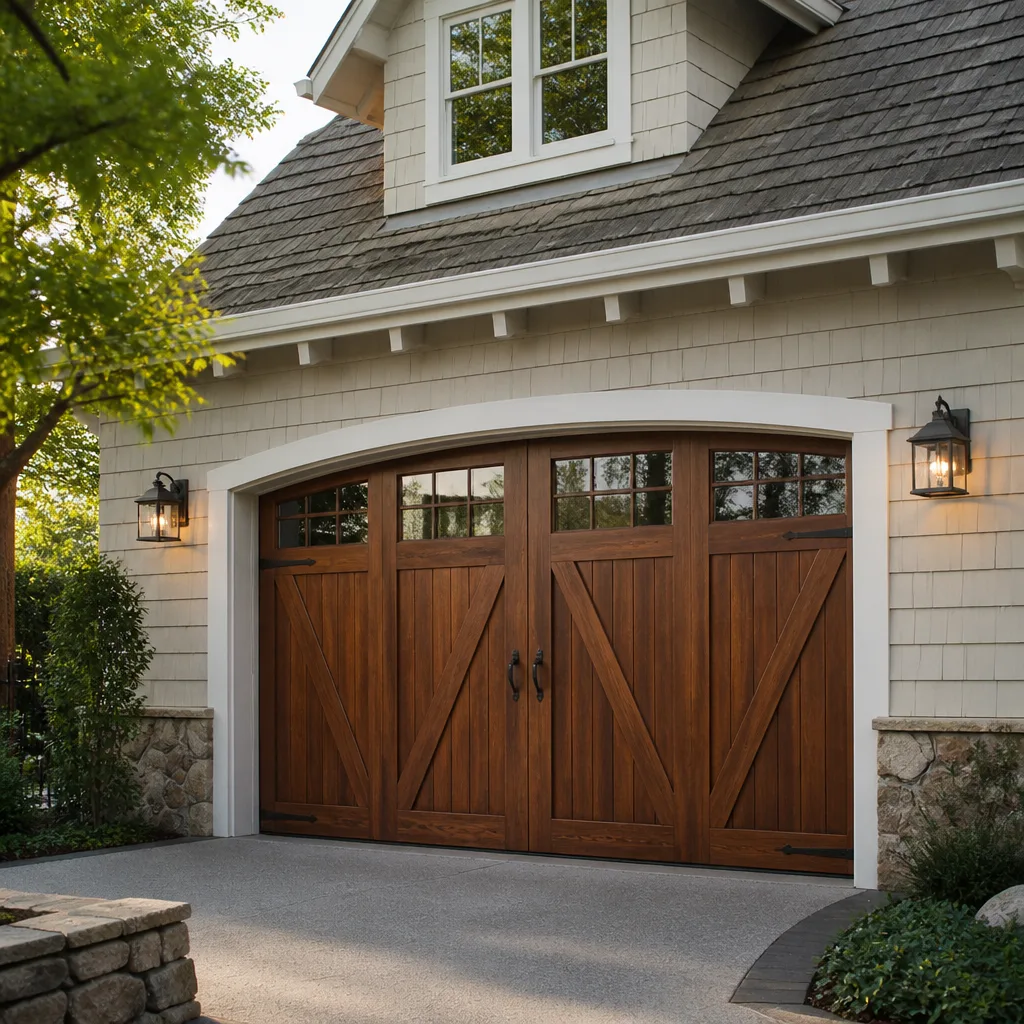 Carriage house
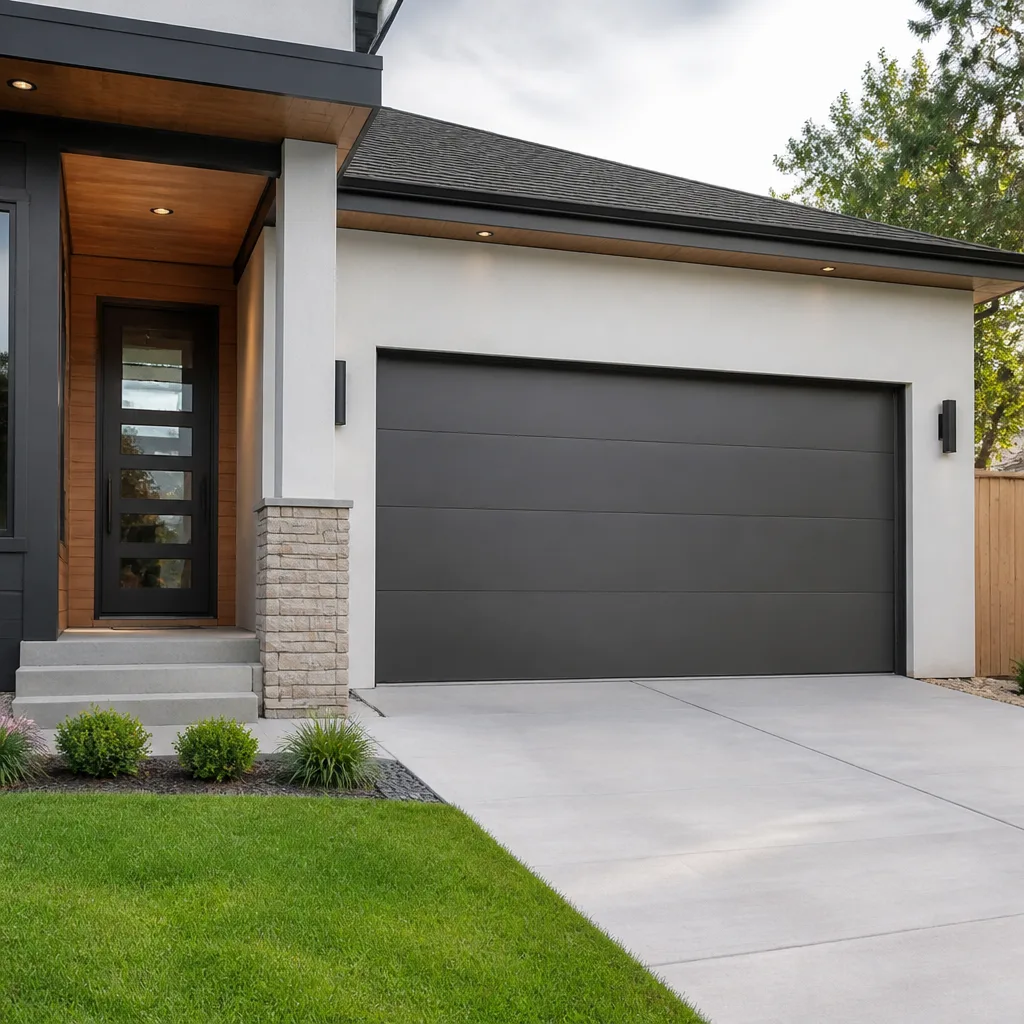 Modern flush
 Full-view glass
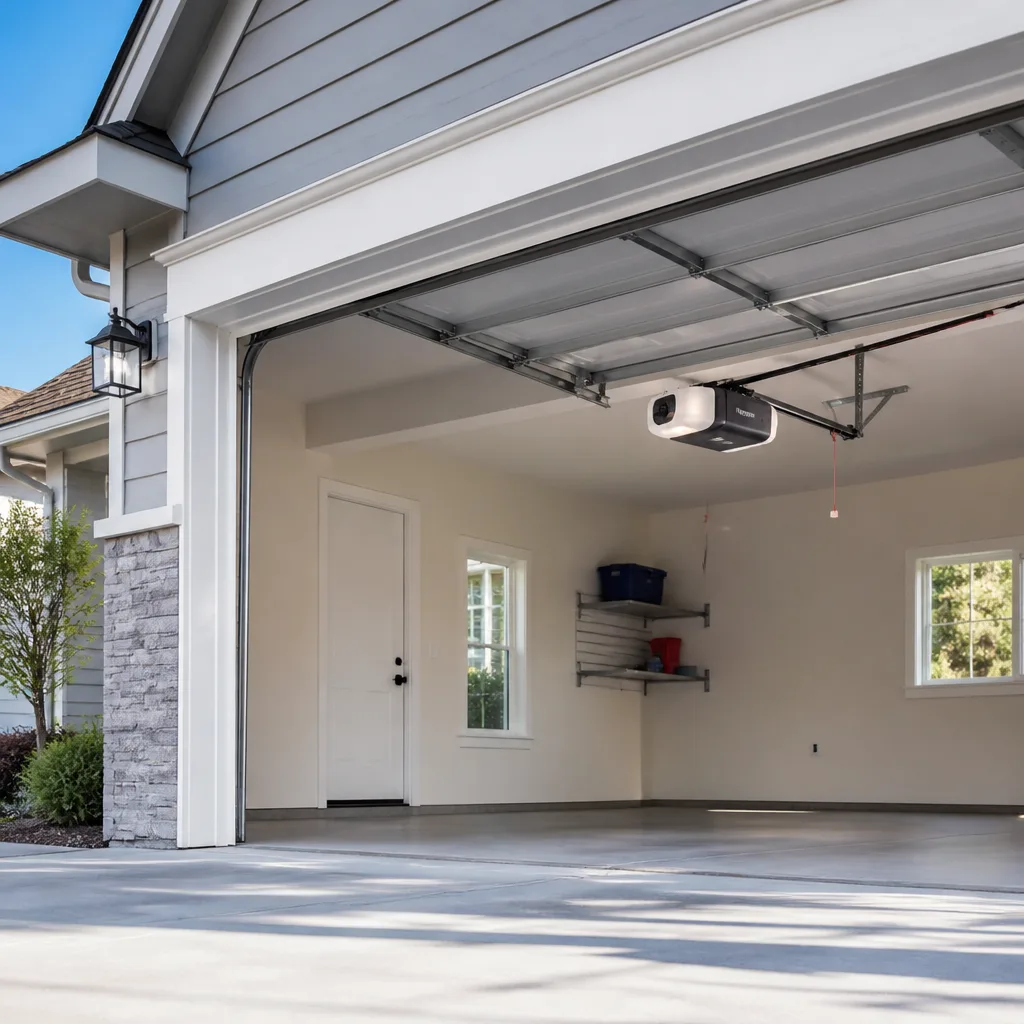 LiftMaster openers
 Chamberlain openers
Full 25-point door and opener safety check with every visit - springs, cables, rollers, tracks, and your LiftMaster or Chamberlain opener included
You get a price before we start. It does not change when the pro arrives.
Get your free estimateSeasonal Garage Door Care for Charlestown: Year-Round Homeowner’s Guide
The seal failure that lets a February cold snap freeze your garage floor isn’t random. It’s usually the direct result of skipping one weatherstrip inspection the previous October, and it’s the most preventable repair call we get every winter. Most homeowners think about their garage door only when something breaks. But in Charlestown, the door takes a specific beating across the year: road salt spray from January storms, humidity spikes off the harbor in August, and freeze-thaw cycles that work on weatherstripping and bottom seals month after month. This guide maps each maintenance task to what each season actually does to a garage door here, so you can stay ahead of the breakdowns instead of chasing them.
Quick Answer
Seasonal garage door care in Charlestown comes down to four jobs timed to the local climate: inspect and reseal weatherstripping in fall before the first freeze, switch to low-temperature lubricant on hinges and rollers in winter, wash road salt off bottom brackets and track hardware in spring, and check photo-eye alignment and wood panel swelling during summer humidity. Handle those four and most emergency repair calls never happen.
Styles & brands we work with
- Raised-panel steel
- Carriage house
- Modern flush
- Full-view glass
- LiftMaster openers
- Chamberlain openers
Table of Contents
- Why Charlestown’s Climate Is Hard on Garage Doors
- Fall: Weatherstrip Integrity Before the Freeze
- Winter: Cold-Weather Lubrication and Torsion Springs
- Spring: Washing Off Road Salt and Grit
- Summer: Humidity, Wood Panels, and Photo-Eye Sensors
- Your One-Page Seasonal Task Calendar
- Matching Care to Your Door and Opener Brand
- What You Should Never Adjust Yourself
Why Charlestown’s Climate Is Hard on Garage Doors
A garage door in Charlestown lives through real seasonal swings. Summer humidity rolls in off the harbor and settles into every seam and panel gap. Winter brings hard freezes and, just as importantly, the road salt that gets sprayed across driveways and tracked onto the bottom of the door and the track hardware. Spring thaw then leaves that salt sitting in place, quietly eating into metal. Fall is the narrow window when you can still get ahead of all of it.
The mechanics matter too. A garage door is a balancing act. Torsion springs, hinges, rollers, and cables all work together under tension, and the way that tension behaves changes with temperature. Lubricant thickens in the cold. Metal expands in the heat. Seals stiffen, then soften. None of this is dramatic on any single day, but across twelve months it adds up, and it explains why certain repairs cluster in certain seasons.
Charlestown’s housing stock adds another layer. Many homes here have older garages where the door has been through plenty of winters already. Weatherstripping that looked fine in July can crack the first time it drops below freezing. Wood panels that stayed flat all spring can swell in an August humid spell. If you know what each season does, you can inspect for the right thing at the right time instead of guessing.
We work on garage doors across Charlestown all year, and the pattern is consistent: the calls that come in during a cold snap or a heat wave are almost always the ones a seasonal check would have caught.
Fall: Weatherstrip Integrity Before the Freeze
Fall is the most important season for garage door maintenance in Charlestown, and weatherstripping is the reason. The rubber or vinyl seal along the bottom of the door and around the frame is what keeps cold air, moisture, and pests out. Once temperatures drop and the freeze-thaw cycle begins, a seal that’s already cracked will let water in, and that water freezes. That’s how you end up with a frozen garage floor and a door that sticks to the ground.
How to Test Your Weatherstrip Without Special Tools
You don’t need a gauge or a meter to know whether your seal is doing its job. A few simple checks tell you most of what you need to know:
- Close the door fully and look along the bottom edge in daylight. Any visible gap, even a thin line of light, means the seal isn’t making contact.
- Slide a sheet of paper under the closed door at several points along its width. If it pulls out with no resistance, the seal is too loose or worn.
- Run your hand along the rubber and feel for cracks, flat spots, or sections that have gone hard and brittle. Stiff rubber won’t seal against a cold floor.
- Check the corners and the frame seal, not just the bottom. Cold air gets in at the edges too.
- Look for water stains or dampness on the garage floor near the door after rain. That’s the seal telling you it’s failing.
If any of those checks come up short, replace the weatherstrip before the first hard freeze. It’s one of the least expensive parts on the whole door and it prevents some of the more costly winter problems. While you’re at it, clear leaves and debris from the track and from the base of the door so meltwater has somewhere to go. A quick fall tune-up now saves you a mid-winter repair call in Charlestown.
Winter: Cold-Weather Lubrication and Torsion Springs
Winter is when lubrication choices start to matter. Standard lithium grease is fine in mild weather, but below about 20°F it thickens and turns tacky. On hinges and rollers, that means the door works harder to move. On torsion springs, the wrong lubricant can leave a stiff coating that resists the spring’s natural movement at exactly the temperature when the metal is most brittle. We recommend a low-temperature or silicone-based lubricant for winter, applied sparingly to hinges, rollers, and the spring coils.
What Standard Lithium Grease Does Wrong in the Cold
Lithium grease is designed to stay put, which is great in summer and a liability in January. When it thickens, it stops flowing into the pivot points where it’s needed and instead sits as a gummy layer. Rollers that should turn freely start to drag. Hinges that should pivot smoothly begin to squeak and bind. The door’s opener then has to work harder to push and pull against that resistance, and the whole system wears faster. Switching to a cold-rated lubricant ahead of winter is a small step that prevents a lot of strain.
Torsion Springs in Cold Weather
Torsion springs carry the full weight of the door under high tension, and cold makes steel more brittle. That’s why spring failures cluster in the coldest weeks. Never wind, unwind, or adjust a torsion spring yourself. The stored energy in a wound spring can cause severe injury in an instant, and it takes trained hands and proper winding bars to do it safely. If a spring looks rusty, feels stiff, or the door has started feeling heavy or jerky, stop using the door and have it checked. Our spring repair is handled as a dedicated service for exactly this reason. If your opener is straining or the door won’t open at all, call us for garage door opener repair and we’ll diagnose whether it’s the motor, the spring, or something else.
Spring: Washing Off Road Salt and Grit
By the time spring arrives, road salt has had months to sit on your door’s hardware. Salt spray from winter storms and the general salt spread on roads and driveways leaves residue on bottom brackets, hinges, and the track hardware. Left there, it speeds up rust. The spring action item is simple: wash it off before the warm weather sets in and the corrosion has a chance to take hold.
- Mix a mild soap solution with water. Avoid harsh solvents that can strip paint or damage rubber seals.
- Wipe down the bottom brackets, hinges, and roller stems with a damp cloth, working the salt residue loose.
- Clean the inside and outside of the track where grit and salt collect, then dry it thoroughly.
- Inspect the hardware for any rust spots. Light surface rust can be cleaned and treated; deeper rust on structural parts is a sign to replace.
- Reapply lubricant to hinges, rollers, and springs after everything is dry.
Spring is also a good time to check the door’s balance. Disconnect the opener and lift the door halfway by hand. A properly balanced door stays put. If it drifts down or feels heavy, the springs or cables need attention, and that’s a job for a professional. Salt residue on track hardware is one of the quieter causes of noisy, sticky doors in Charlestown, and a spring cleaning session on the hardware prevents it cheaply.
Summer: Humidity, Wood Panels, and Photo-Eye Sensors
Summer in Charlestown brings humidity off the harbor, and humidity is hard on wood garage doors in particular. Wood panels absorb moisture and swell. Over time, that swelling can cause panels to warp, bind in the track, or crack the finish. If your door is wood, late spring and early summer are the time to check the paint or stain and touch up any spots where moisture can get in. A sealed surface is a wood door’s best defense against a humid season.
Photo-Eye Sensors on Hot Days
The safety photo-eye sensors near the bottom of the door can misbehave in summer heat. Hot days can cause the brackets to shift slightly, and even a small shift throws off the alignment between the two sensors. When the beam is broken or misaligned, the door refuses to close, which owners often mistake for an opener failure. Before you assume the motor has gone, check that both sensors are facing each other squarely and that the lenses are clean. If they’re dusty or covered in cobwebs, wipe them off. If they still won’t line up, the bracket may need adjusting.
Summer is also when opener failures show up, since the motor works harder in the heat and a tired unit is more likely to overheat or drop its signal. If your opener is struggling, our garage door opener repair handles everything from sensor alignment to motor and logic board issues. If the humidity has gotten the better of a wood door and the panels are beyond saving, we can talk through a full garage door installation as well.
Your One-Page Seasonal Task Calendar
Here’s the whole year in one place. Keep this in the garage and work through each season’s tasks before the weather turns.
- Fall (September – October): Test and replace weatherstripping. Clear debris from tracks and the base of the door. Check the bottom seal with the paper test. Inspect the frame seal. Schedule any needed repairs before the first freeze.
- Winter (November – February): Switch to low-temperature lubricant on hinges, rollers, and springs. Watch for spring strain, heavy lifting, or a jerky door and stop using it if you notice any of these. Keep the door bottom clear of ice buildup.
- Spring (March – May): Wash road salt and grit off bottom brackets, hinges, and track hardware. Inspect for rust and treat light spots. Re-lubricate after drying. Check door balance by hand.
- Summer (June – August): Seal or touch up wood panels against humidity. Check and realign photo-eye sensors. Clean sensor lenses. Watch the opener for signs of heat strain.
That’s the entire routine, and none of it is complicated. The value is in the timing. Doing the right inspection in the right season is what prevents the expensive surprises. A Charlestown homeowner who keeps to this calendar rarely finds themselves dealing with a frozen floor in February or a door that won’t close in August.
Matching Care to Your Door and Opener Brand
The seasonal routine is the same for every door, but the details differ by brand, and it helps to know your own equipment. We service 8 of the most widely installed garage door and opener brands in the residential market: LiftMaster, Chamberlain, Genie, Clopay, Amarr, Wayne Dalton, Craftsman, and Raynor. That means technicians who know the specific mechanics of whatever system is in your garage.
If you have a Clopay or Amarr door, the panel construction and finish affect how humidity hits it, so leaning on the summer moisture checks matters more. A Wayne Dalton door may have its own quirks in how the track and hardware are set up, which is worth knowing before you start cleaning. On the opener side, a Craftsman or Genie unit has particular sensor layouts and maintenance points. Knowing the brand helps you buy the right lubricant, the right weatherstrip, and the right replacement parts the first time.
This is also where brand fluency saves headaches. If a part wears out, knowing exactly what your door or opener needs means fewer return visits and less guesswork. We stock and supply garage door parts directly, which shortens the gap between diagnosing a problem and fixing it. Whether it’s the door, the opener, or the spring, we diagnose and repair the whole system. For anything beyond routine care, our garage door repair covers the full range, from snapped springs to stubborn openers.
What You Should Never Adjust Yourself
Some maintenance is simple and safe for a homeowner. Some of it isn’t, and it’s worth being clear about the line. The routine checks in this guide, cleaning, inspecting seals, wiping down hardware, and re-lubricating, are all things you can do yourself. Other parts of the system store dangerous energy or run on household current.
- Torsion springs and cables: These are under high tension. Never attempt to adjust, remove, or replace them. A wound spring can release its energy in an instant and cause serious injury. This is the most dangerous part of any garage door system, and it’s where professionals earn their keep.
- Track alignment: Twisted or knocked-out tracks can cause the door to come off its rollers. Straightening them takes the right tools and a sure hand.
- Opener wiring and electrical connections: Anything involving household wiring should go to a trained professional. Don’t open the opener housing or rewire connections yourself.
- Balance and tension adjustments: If the door feels heavy or won’t stay put when you lift it by hand, stop and have it checked rather than trying to fix it.
If you’re ever unsure whether a task is safe to do yourself, treat that uncertainty as a reason to stop. Our technicians have up to 12 years of experience with these systems, and we’re happy to take on the parts that carry real risk.
Common Mistakes to Avoid
- Skipping the fall weatherstrip check. This is the single most expensive omission in Charlestown. A five-minute inspection in October prevents the frozen garage floor that shows up in February.
- Using standard lithium grease in winter. It thickens below about 20°F and makes the door and opener work harder. Switch to a low-temperature or silicone-based lubricant before the cold sets in.
- Letting road salt sit all spring. Salt residue on bottom brackets, hinges, and track hardware accelerates rust. Wash it off before the warm weather sets in, not after.
- Assuming a door that won’t close needs a new opener in summer. Heat often shifts the photo-eye sensors out of alignment. Check and clean them before assuming the motor has failed.
- Ignoring wood door swelling in humid months. Panels that absorb harbor humidity can warp and bind. Keeping the finish sealed is the cheapest protection.
- Trying to adjust torsion springs yourself. The stored energy makes this genuinely dangerous. This is one task that should always go to a professional.
- Waiting for a breakdown instead of following the calendar. Most emergency calls we get in Charlestown would have been caught by the seasonal routine. Timing the work beats reacting to it.
See the difference
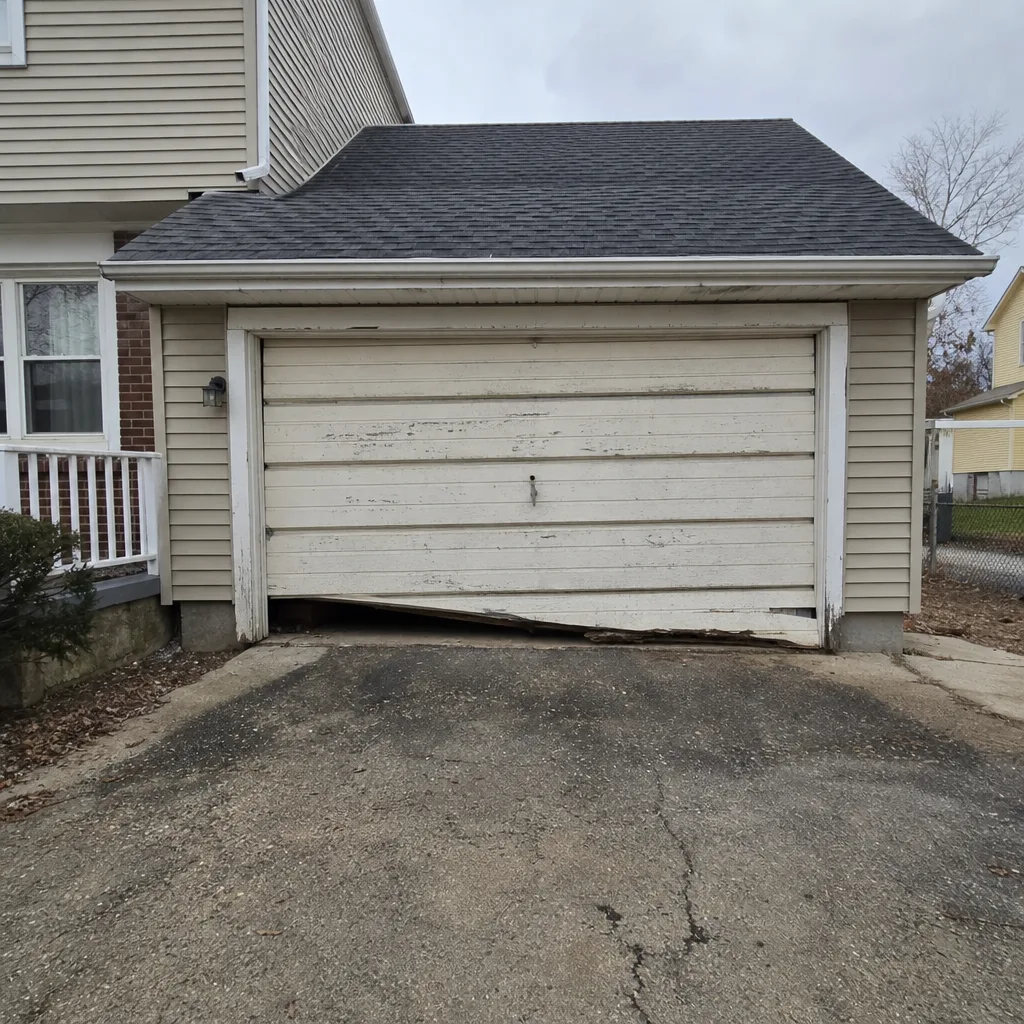 Before
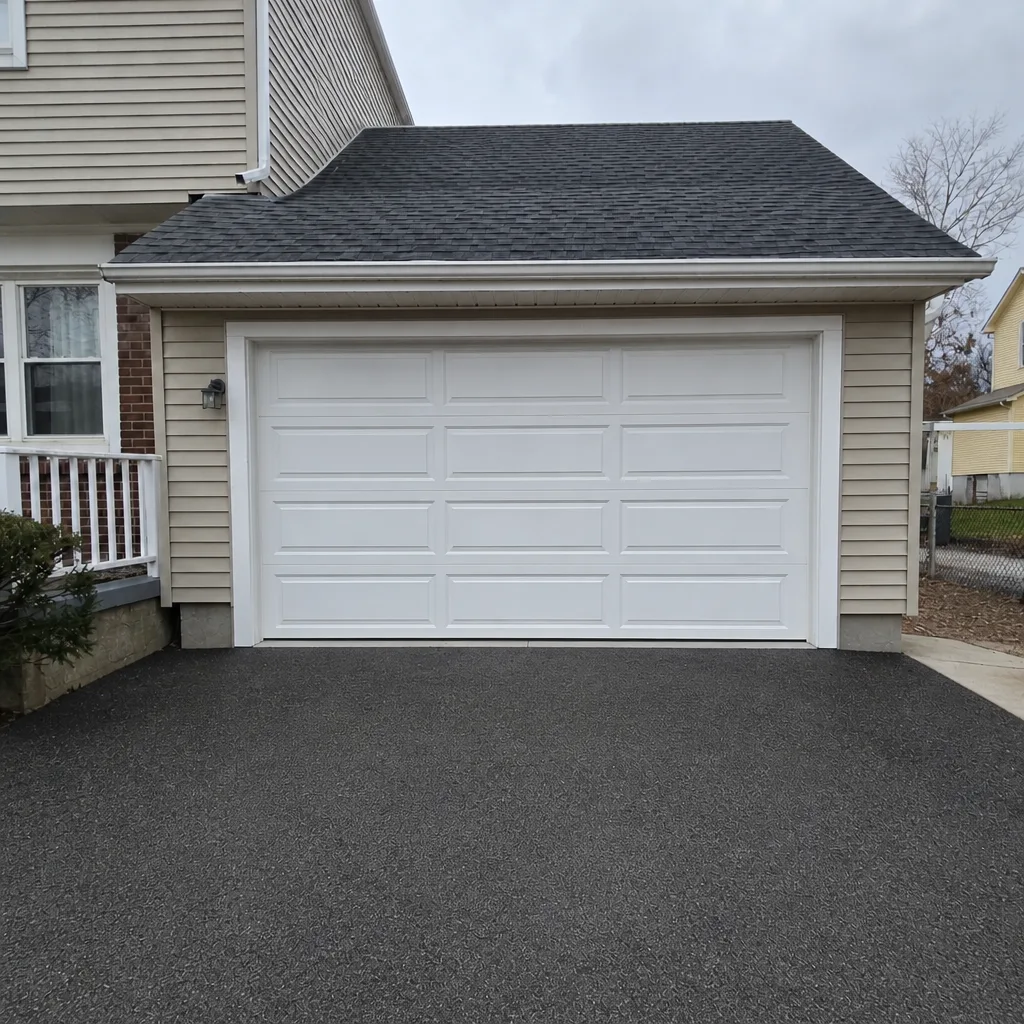 After
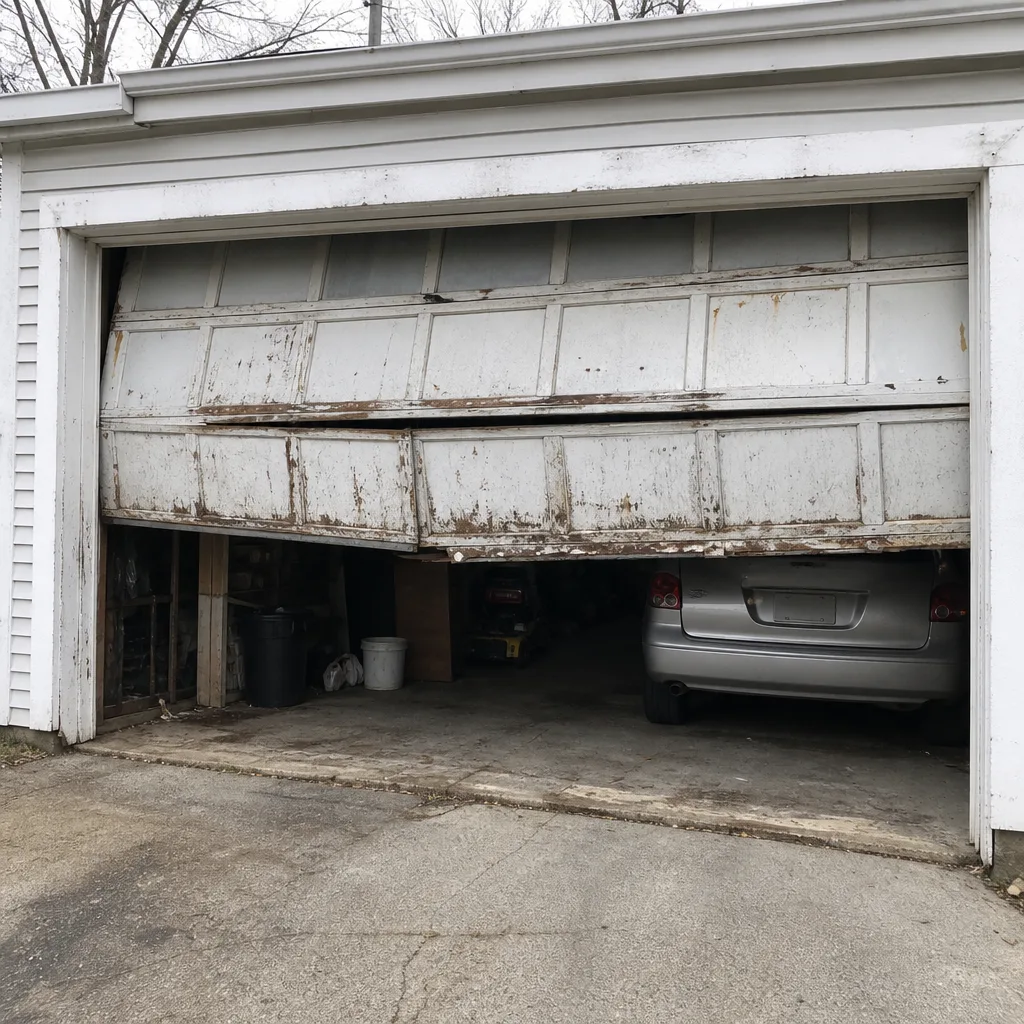 Before
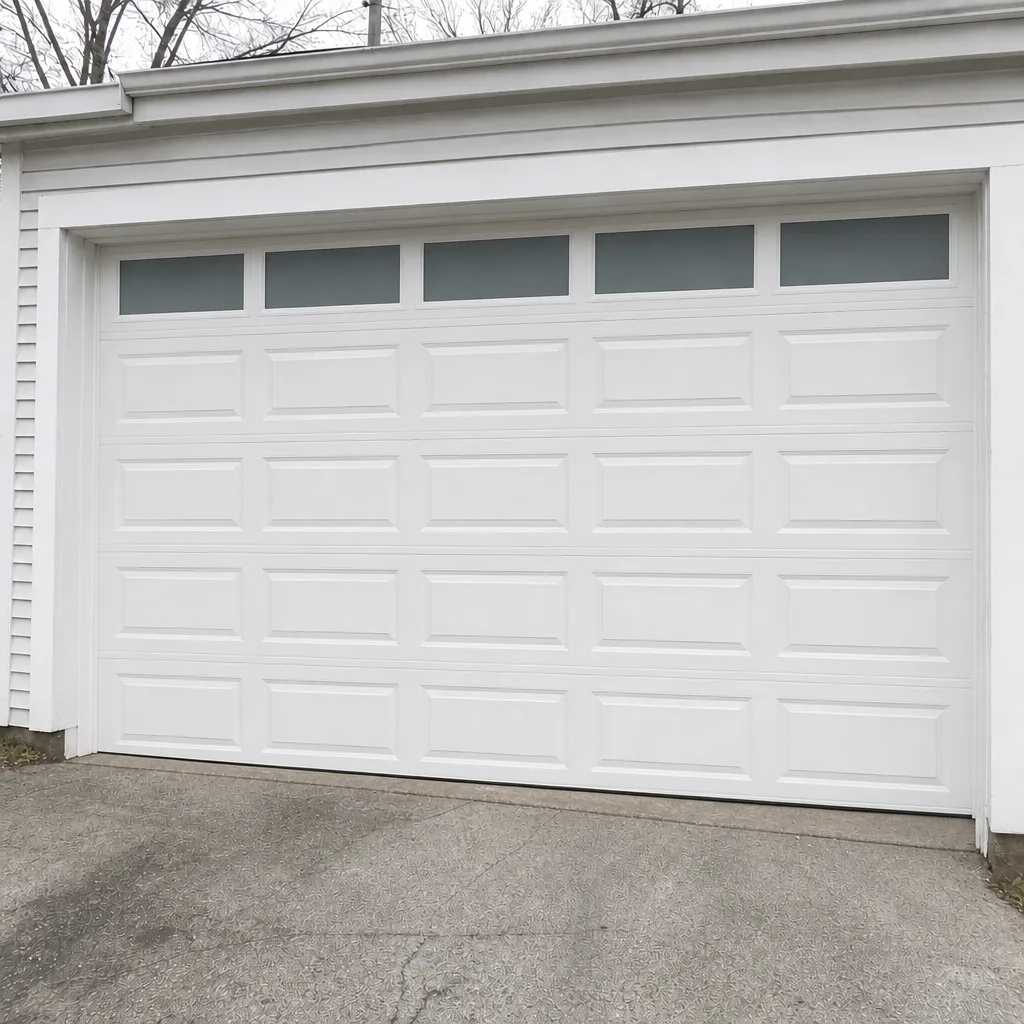 After
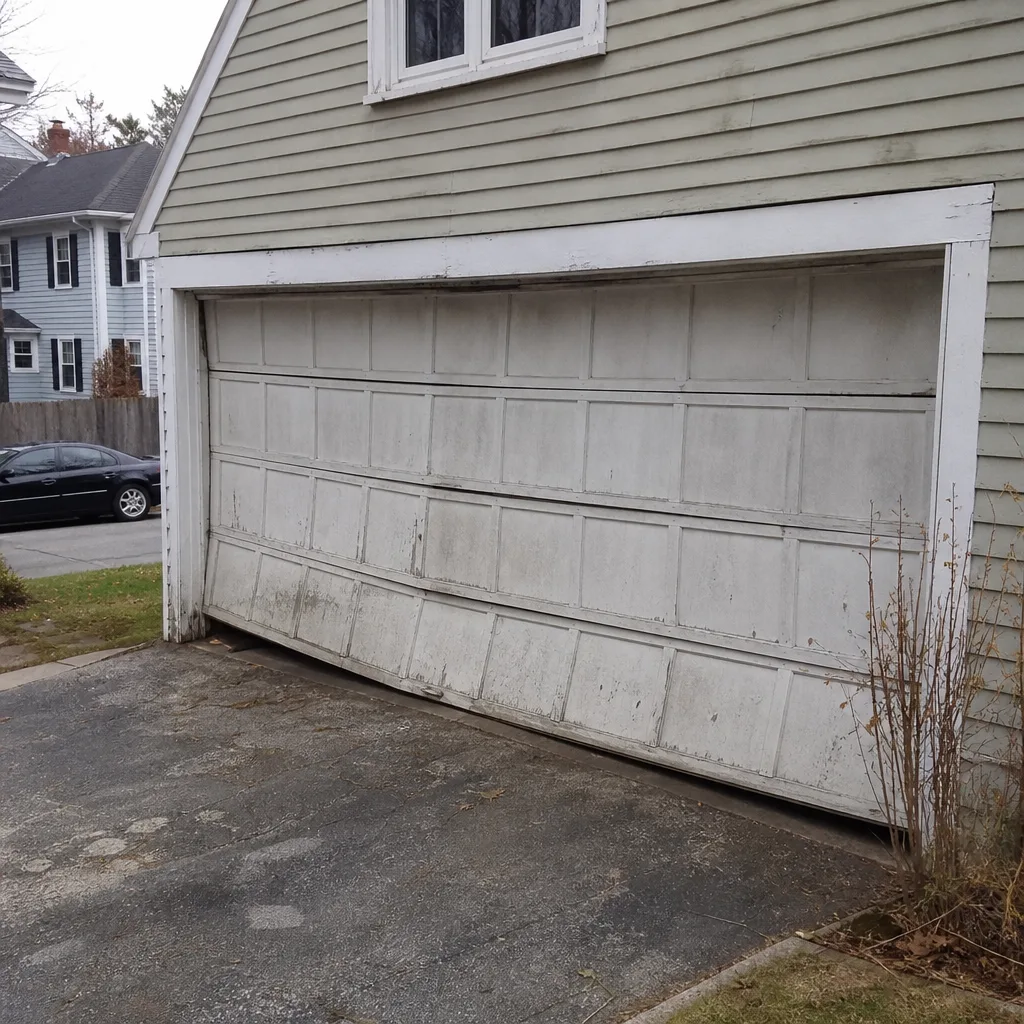 Before
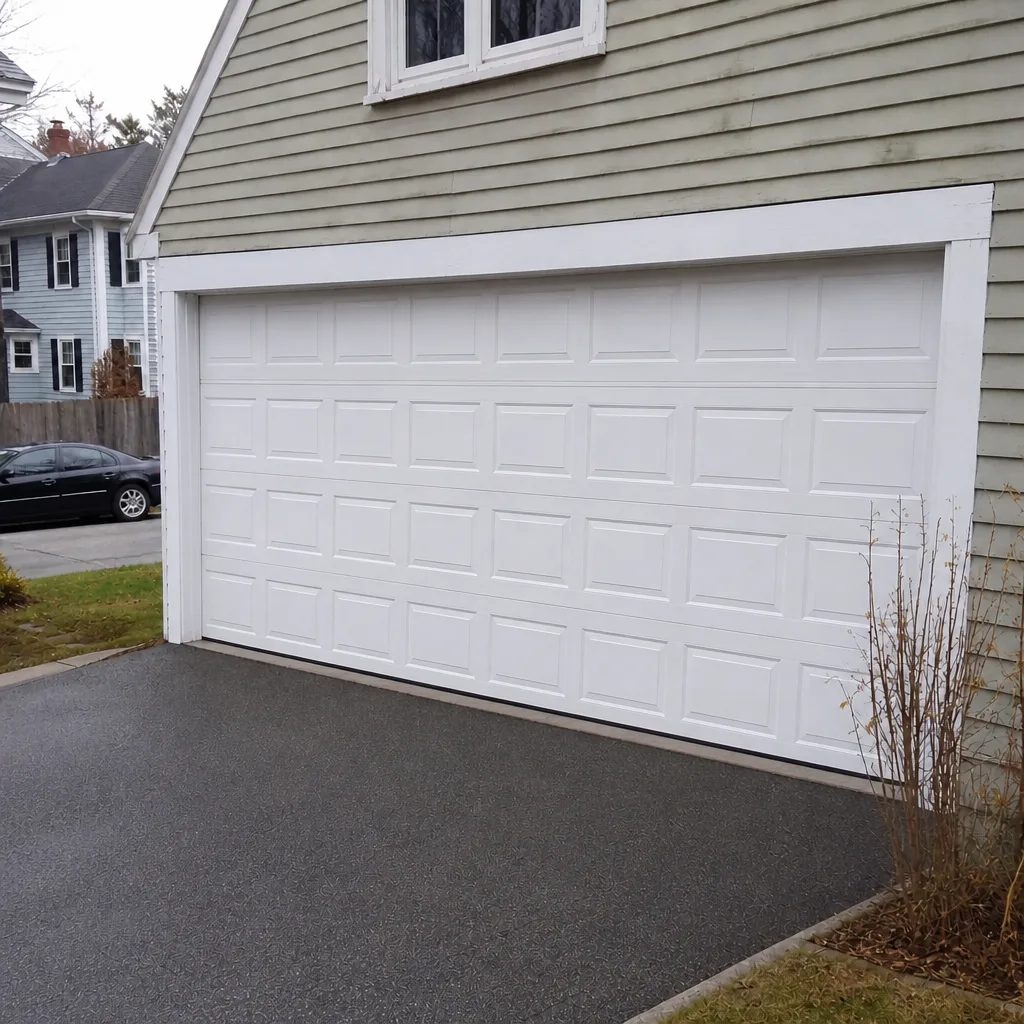 After
When to Call a Professional
Some garage door issues are seasonal-maintenance tasks. Others need a trained technician. Call a professional if the door feels heavy or jerky when you lift it by hand, if you hear a loud snap from the springs, if the door comes off its track or hangs crooked, or if the opener strains, drops its signal, or won’t respond to the remote. You should also call if a spring shows rust or stiffness, or if the photo-eye sensors won’t realign after a cleaning. These are signs of deeper trouble that a seasonal check won’t fix. And never attempt spring or cable work yourself, given the tension involved. Charlestown Garage Door Repair offers free estimates in Charlestown, so you can get a clear diagnosis and price before anything is decided. Call (866) 401-6449 to schedule.
Frequently Asked Questions
Do a focused check four times a year, once per season. Fall is the most important one because weatherstripping needs to be sound before the freeze. A quick monthly look at the seals and the door’s movement between those seasonal checks catches most problems early.
Cold thickens standard lubricant and makes rollers and hinges harder to move. Switching to a low-temperature or silicone-based lubricant before winter, and applying it sparingly to hinges, rollers, and springs, keeps the door moving freely even in the coldest weeks. If the door still feels heavy after lubricant, the springs may need a professional look.
You can lubricate springs to help them move smoothly, but standard lithium grease turns tacky below about 20°F. A low-temperature or silicone-based lubricant is the better choice for Charlestown winters. Never wind, unwind, or adjust a torsion spring yourself; that part always needs a professional because of the stored tension.
It’s usually the photo-eye sensors, not the opener. Summer heat can shift the brackets slightly, throwing the beam out of alignment. Check that both sensors face each other squarely and that the lenses are clean. If they still won’t line up, the bracket may need adjusting, and our garage door opener repair can sort it out.
Salt residue left on bottom brackets, hinges, and track hardware speeds up rust. Wash it off in spring with a mild soap solution, dry the parts thoroughly, and reapply lubricant. Light surface rust can be cleaned and treated; deeper rust on structural parts means replacement is the safer option.
Yes. Charlestown’s summer humidity can cause wood panels to swell, warp, or bind in the track. Check the paint or stain in late spring and touch up any spots where moisture can get in. A sealed surface protects the panels, and if the door is past saving, we can walk you through garage door installation options.
The Bottom Line
Seasonal garage door care in Charlestown comes down to timing the right task to the right season. Test and replace weatherstripping in fall before the freeze. Switch to cold-rated lubricant and respect the springs in winter. Wash off road salt in spring before it rusts the hardware. Watch for humidity on wood panels and check your photo-eye sensors in summer. Keep to the calendar, do the safe checks yourself, and hand the dangerous work to a professional. That routine prevents most of the winter and summer repair calls we see in Charlestown. When you do need help, we’re here.
For a free estimate on any garage door need, from a seasonal tune-up to a full replacement, call Charlestown Garage Door Repair at (866) 401-6449. Whether it’s the door, the opener, or the spring, one call covers the whole system, and we service the brands you’re most likely to own. Reach out to Charlestown Garage Door Repair and let us take care of the job so you don’t have to.
Written by the team at Charlestown Garage Door Repair.