Last updated November 21, 2026
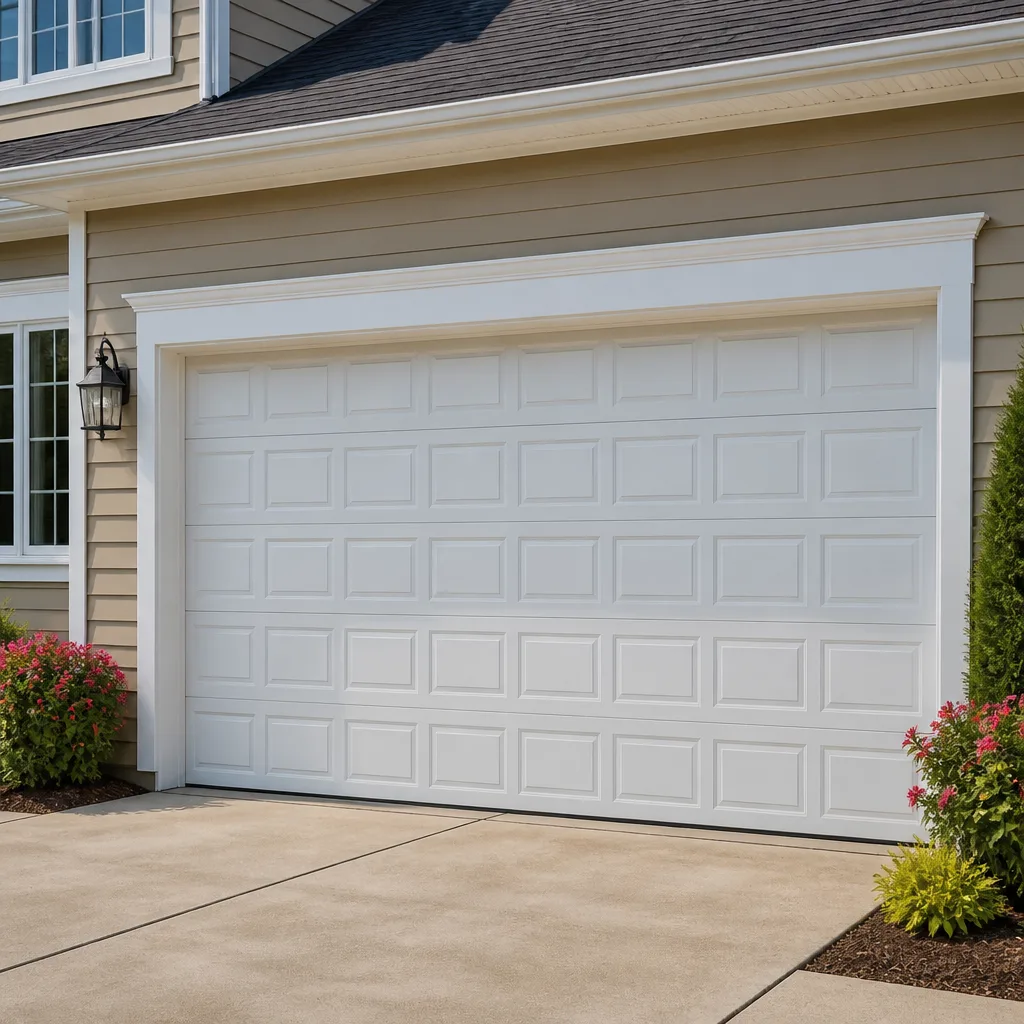 Raised-panel steel
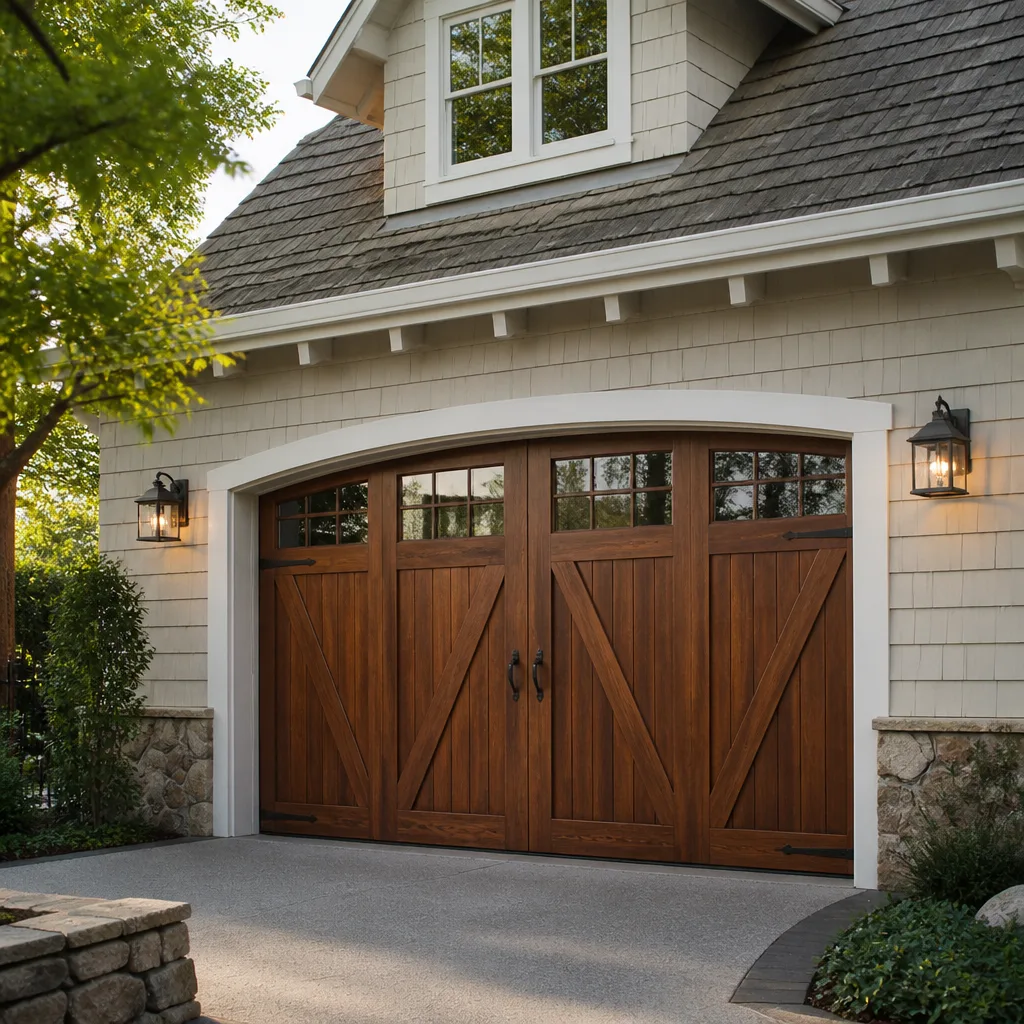 Carriage house
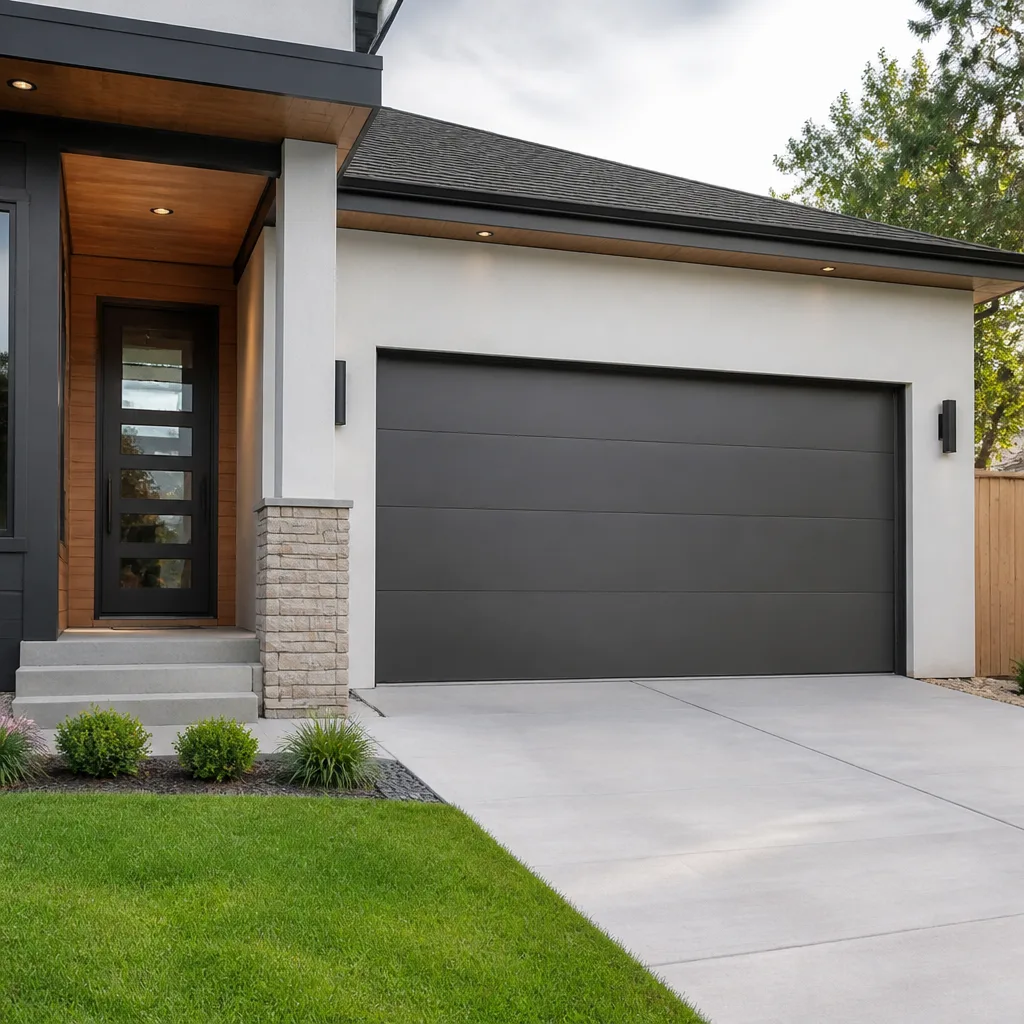 Modern flush
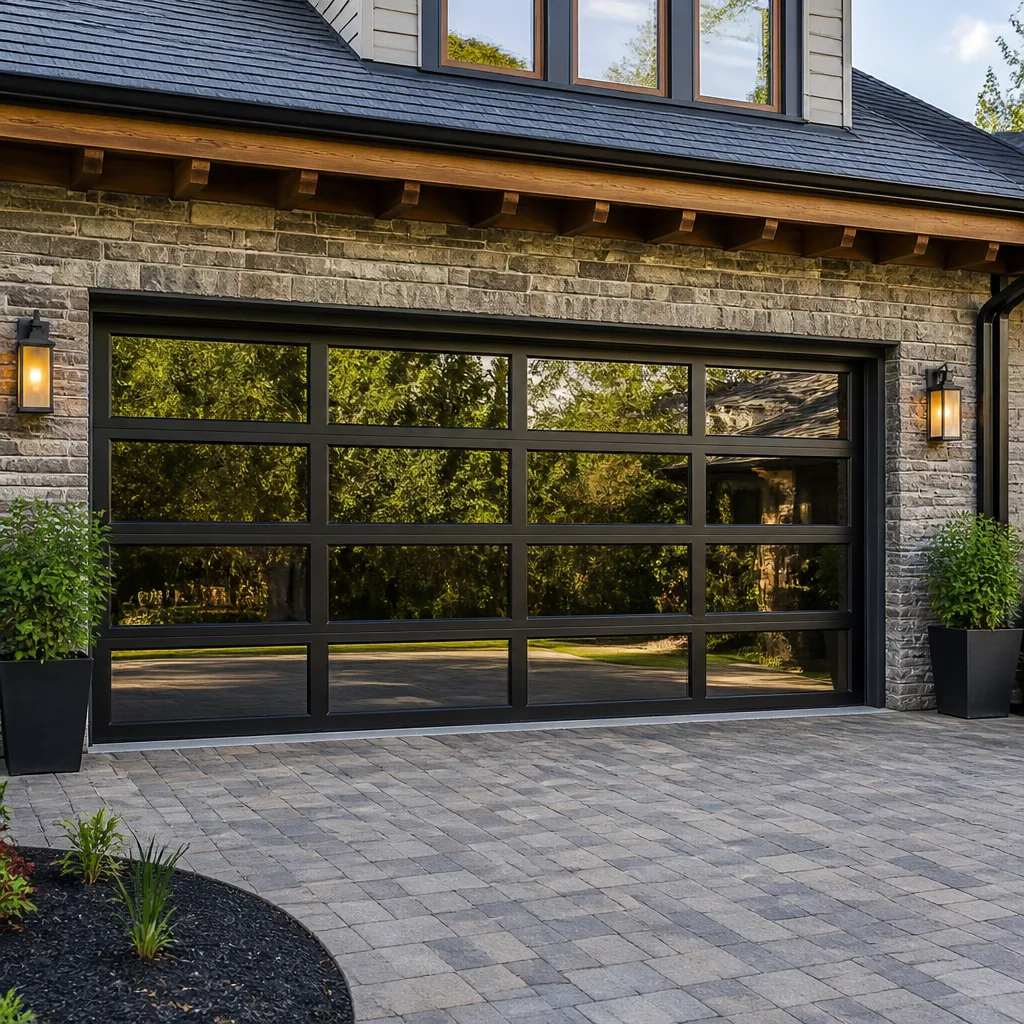 Full-view glass
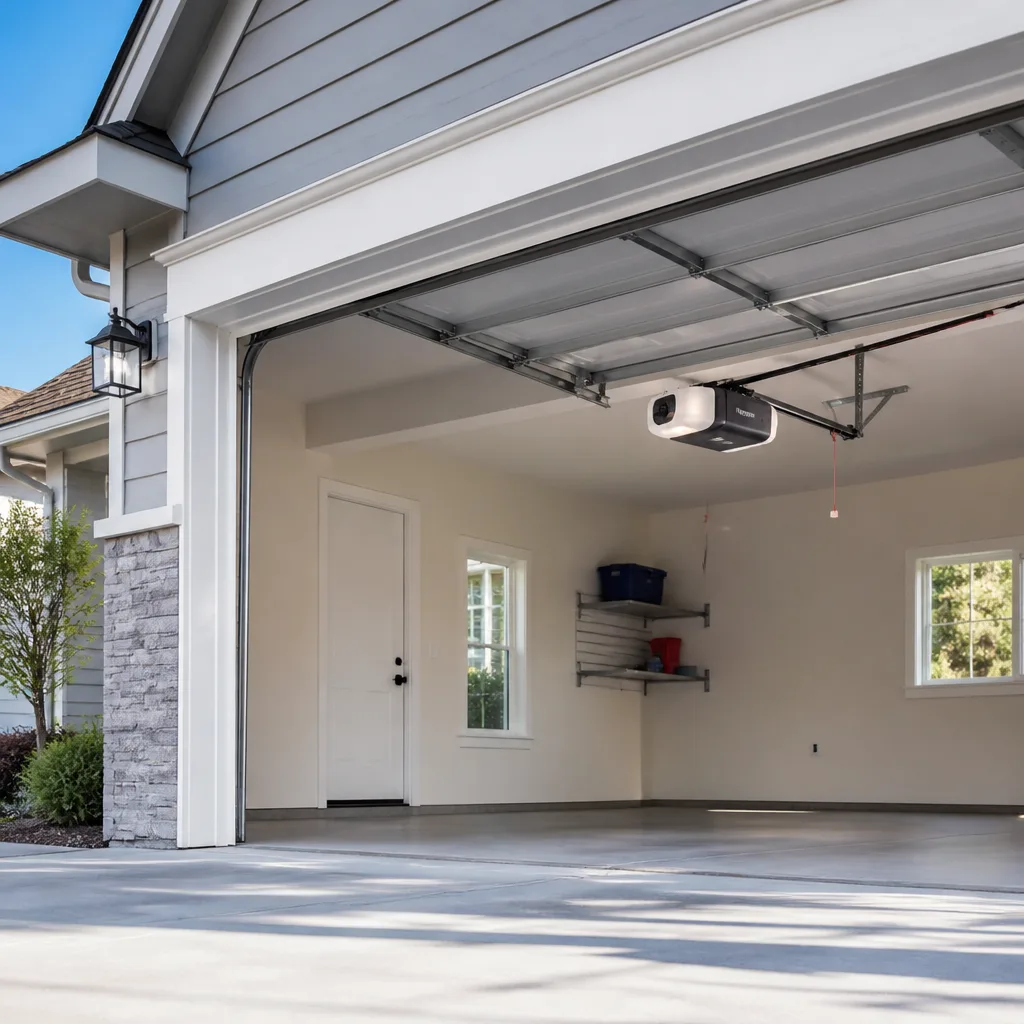 LiftMaster openers
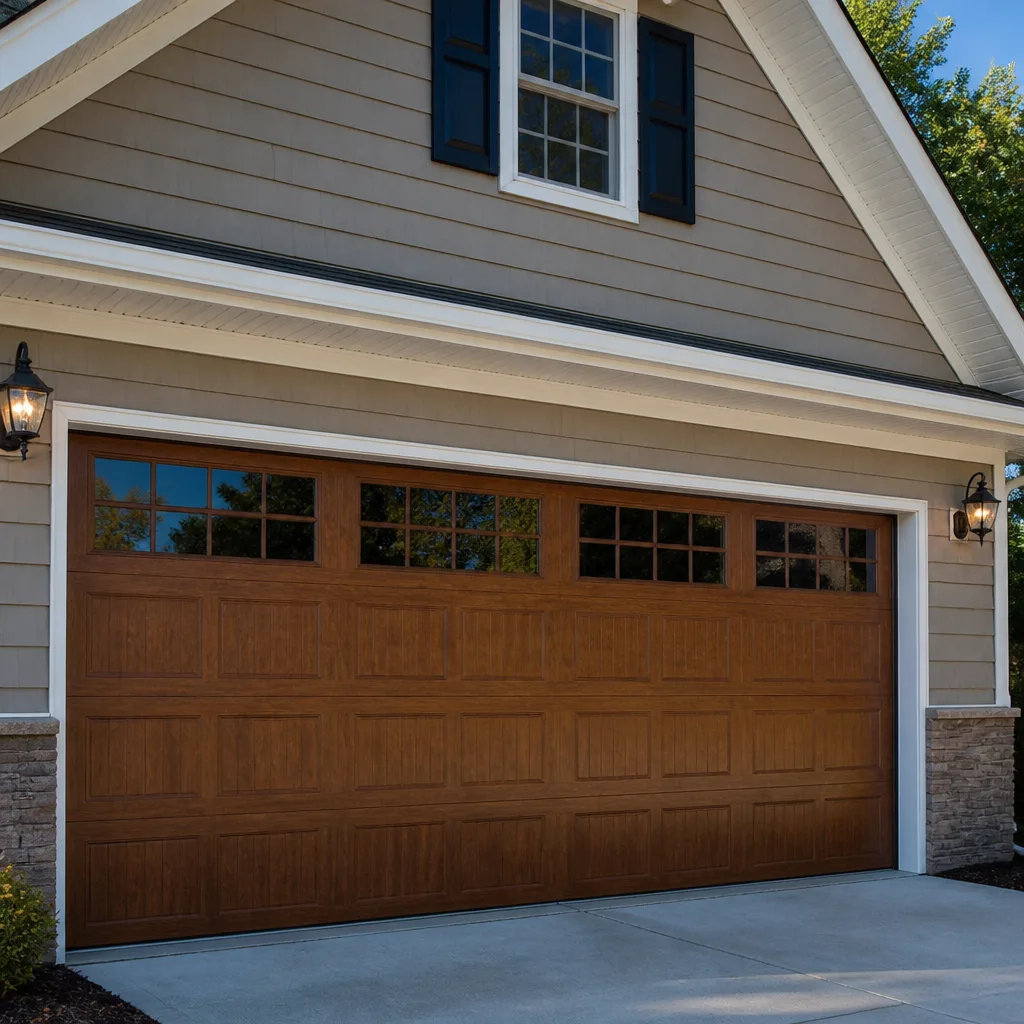 Chamberlain openers
Full 25-point door and opener safety check with every visit - springs, cables, rollers, tracks, and your LiftMaster or Chamberlain opener included
You get a price before we start. It does not change when the pro arrives.
Get your free estimateThe Complete Guide to Garage Doors in Charlestown
Most people assume a garage door is a garage door, and the only real decision is what color to paint it. In Charlestown, that assumption falls apart fast. Many of the garages here weren’t designed as garages at all: they were retrofitted into 19th-century carriage houses, tucked under brownstone stoops, or squeezed beneath newer condo conversions where the ceiling height was never meant for a modern door and opener. Standard dimensions and off-the-shelf specs often don’t apply without modification.
This guide treats Charlestown’s built environment as the starting point. You’ll learn how headroom, alley access, material choice, and historic-district rules shape every decision, plus how to audit an existing system before you spend a dollar on a replacement. Whether you’re in the Navy Yard or off Monument Square, the goal is the same: get the right door, the right hardware, and the right parts for your specific garage.
Quick Answer
A garage door in Charlestown needs to fit the building it lives in, not a national average. That means measuring actual headroom and side clearance first, choosing steel gauge and finish that tolerate harbor humidity, and confirming any historic-district or HOA rules before ordering. Most replaced doors in Charlestown are custom-measured, and most repairs are parts-and-hardware issues rather than full replacements.
Styles & brands we work with
- Raised-panel steel
- Carriage house
- Modern flush
- Full-view glass
- LiftMaster openers
- Chamberlain openers
Table of Contents
- Why Charlestown Garages Are Built Differently
- Low-Headroom vs. High-Headroom Hardware Kits
- Width and Height Constraints on Alley-Access Garages
- Steel Gauge, Finish, and Harbor Humidity
- HOA and Historic District Considerations Near the Freedom Trail
- How to Audit an Existing Door Before You Replace It
- Choosing and Troubleshooting an Opener
- Maintenance That Actually Matters Here
Why Charlestown Garages Are Built Differently
Walk a few blocks in Charlestown and the pattern jumps out. On the brownstone rows, garages sit under or behind the main house, often in a former carriage or service bay. In the Navy Yard, newer construction sits shoulder to shoulder with older industrial conversions. The result is a housing stock where no two garages share the same opening size, ceiling height, or track configuration.
That matters because garage doors and openers are engineered around standard assumptions. A modern door needs a certain amount of headroom above the opening for the torsion assembly and the door panels to travel. An opener needs clearance for its rail and, depending on the type, space behind the door. When a garage was carved out of a carriage house, those clearances are frequently missing or uneven.
What we’ve learned working on these homes is that the measurement is the job. A door that would be a straightforward install in a suburban two-car garage becomes a custom order with modified track and low-clearance hardware in a Charlestown basement bay. The parts still come from the same major manufacturers – Clopay, Amarr, Wayne Dalton, Raynor on the door side, LiftMaster, Chamberlain, Genie, and Craftsman on the opener side – because the local pros we connect you with are certified across those brands. The difference is how the system gets configured for the space.
So before you shop for a door, spend time understanding the box it has to fit into. That single step prevents most of the expensive surprises in this guide.
Low-Headroom vs. High-Headroom Hardware Kits
Headroom is the distance from the top of the door opening to the ceiling. It’s the number that decides which hardware your garage can actually use, and it’s the constraint that trips up most Charlestown carriage-house conversions. When there isn’t enough room for a standard torsion assembly, the door can’t be built the same way.
Here’s how the two approaches differ:
- Standard headroom uses a torsion spring assembly mounted on a shaft above the door, with enough clearance for the panels to travel up and back. This is the default most doors are designed around.
- Low-headroom hardware reconfigures the track so the door tucks closer to the ceiling using tighter-radius curves and sometimes rear-mount torsion. It lets a door work in a bay that was never built for one, but it’s a specific kit, not a standard order.
- High-lift hardware is the opposite problem: a tall ceiling where the door needs to travel higher before turning back, common in converted industrial spaces or carriage houses with generous vertical room.
If you get this wrong, the door either won’t operate or will wear out fast. Low-headroom kits trade a little smoothness for clearance, and a technician needs to set the spring tension and track radius to match. In a Charlestown condo conversion with a low ceiling, we’ve seen the difference between a kit that fits and one that doesn’t come down to a couple of inches measured correctly.
A trained professional should take these measurements. Guessing at headroom and ordering a door is how homeowners end up with a unit that has to be re-ordered or returned.
Width and Height Constraints on Alley-Access Garages
Alley access changes everything about a garage door in Charlestown. Driveways are often narrow lanes, and the door opening is set back or offset, which limits how wide a door can be and how it opens. On the narrowest alley approaches, the practical width for a single-car door is often tighter than a standard order will deliver without a custom build.
Height has its own constraints. Older carriage-house openings were sized for horse-drawn vehicles, not modern cars with roof racks. A door that’s slightly shorter than a standard opening may need a custom panel size, and a door that’s too tall for the available headroom above can force a low-headroom kit even when the opening itself looks generous.
Here’s a practical order for sizing an alley-access garage:
- Measure the clear opening – width and height at the narrowest point, since older frames aren’t always square.
- Measure side clearance – the space on each side of the opening, which affects track and spring placement.
- Check the approach – how the car angles in from the alley. A tight turn can justify a slightly narrower door than a straight-on approach.
- Confirm the ceiling and back room – headroom and the depth behind the door, which decide the hardware and opener type.
In the Navy Yard and around Monument Square, where older and newer buildings sit close together, these measurements vary block by block. What fits one garage won’t fit the next. That’s why buying a replacement off a showroom floor or a big-box listing without measuring first is a common and costly mistake. The written estimate, taken from real measurements, is what protects you.
Steel Gauge, Finish, and Harbor Humidity
Charlestown sits close to the harbor, and the humidity that comes with it affects how a garage door holds up over time. That’s not a reason to panic – it’s a reason to pay attention to steel gauge and finish. A thinner-gauge door with a basic painted finish will show wear and corrosion sooner in a humid environment than a heavier door with a properly applied finish.
Gauge is the thickness of the steel. Lower gauge numbers mean thicker steel, which resists dents and holds its shape better. For a Charlestown garage exposed to humidity, the practical guidance is to favor a mid-range gauge rather than the thinnest door on the market, and to choose a finish system designed for exterior exposure. Some manufacturers offer factory-applied finishes that hold up better than field-painted steel.
Material alternatives matter too:
- Steel is the most common choice, available across Clopay, Amarr, Wayne Dalton, and Raynor door lines in a range of gauges and finishes.
- Aluminum is lighter and resists corrosion well but dents more easily, so it suits low-traffic or full-view decorative doors.
- Wood looks right on a historic brownstone and can be repaired, but needs regular sealing in a humid climate.
- Composite and vinyl avoid corrosion entirely but are less common on custom carriage-house opening sizes.
The finish is where humidity takes its toll. Scratches and dings in a top coat become places where moisture gets to bare steel, so touching up the finish matters more here than the generic advice suggests. A door with a durable finish and a heavier gauge is the smarter long-term buy in Charlestown, even if the up-front cost for that door is higher.
HOA and Historic District Considerations Near the Freedom Trail
Charlestown’s historic character is part of why people love living here, and it’s also a reason a garage door replacement can involve more than a purchase. Properties in or near historic district boundaries may face design review, and brownstone-row properties often carry HOA or condo-association rules about exterior changes. Both can affect what door you’re allowed to install.
The short version: before ordering a door, confirm whether your property is subject to design review or association approval. Rules vary by building and by block, so there’s no single answer. The right move is to ask your city’s building department and your association directly about what’s required for your address.
What design review and HOA rules typically focus on:
- Style and design – panel style, window configuration, and how the door reads against the building’s architecture.
- Color – many historic contexts expect a specific palette or a color matched to the building.
- Materials – whether steel that mimics wood is acceptable where true wood or a specific finish is expected.
- Visibility from the street – whether the door faces a public way affects how strictly the design is reviewed.
Timing matters as much as the rules. Design review and association approval can add weeks before a custom door is even ordered, so build that into your timeline. A door that’s a perfect physical fit can still be the wrong choice if it can’t get approved. Getting the approval conversation started early, in Charlestown, keeps a replacement on track.
How to Audit an Existing Door Before You Replace It
Before you commit to a new door, audit the one you have. Replacement is sometimes the right call, but plenty of garages in Charlestown just need a part, a hardware adjustment, or a new opener. Replacing a sound door because of a fixable component is the classic way to overspend.
Here’s a structured audit you can walk through, using only your eyes and ears – no tools required:
- Listen to the door – grinding, squealing, or a binding sound usually points to rollers, tracks, or hinges rather than the panels.
- Look at the panels – dents, rust-through, and cracks in the finish tell you whether the door shell is failing or just cosmetically worn.
- Check the springs – if the door feels suddenly heavy or won’t lift easily, the spring is the likely culprit. This is a stop-and-call situation, not a DIY one.
- Test the balance – with the door disconnected from the opener (only if you’re comfortable and it’s safe to do so), lift it halfway and let go. A balanced door stays put; a door that drops or rises fast needs a professional look.
- Watch the opener – hesitation, reversing, or unusual noise can mean an opener problem rather than a door problem.
- Compare against your space – if the door fits poorly, or a low-headroom bay has standard hardware squeezed in, that’s a sign a proper reconfiguration is worth considering.
An audit tells you whether you need garage door repair, a new opener, or a garage door installation. It also stops you from over-specifying a replacement. A homeowner who audits first finds out when a mid-range door in the right gauge is more than enough – and when a custom build is genuinely required.
Choosing and Troubleshooting an Opener
An opener is the motor and drive system that lifts the door, and it’s a separate decision from the door itself. In Charlestown’s converted garages, the opener often has less room to work with than in a modern build, which makes the type of drive and the clearance it needs worth understanding. The major brands – LiftMaster, Chamberlain, Genie, and Craftsman among them – each have their own mechanics and parts, and knowing which one is on your ceiling helps.
Common opener configurations:
- Belt drive – quieter operation, good for a garage attached to living space, which is common in condo conversions.
- Chain drive – durable and generally lower-cost, though louder.
- Screw drive – fewer moving parts, but it needs more headroom, which is a real constraint in low-ceiling carriage-house bays.
- Wall-mount (jackshaft) – mounts beside the door on the wall, which saves ceiling height where headroom is tight. This is often the practical choice in Charlestown basements and low-ceiling conversions.
For troubleshooting, the basics are worth knowing: if the opener runs but the door doesn’t move, suspect the drive or the disconnect. If the door reverses immediately after touching the floor or an obstruction, suspect the safety sensors. If the remote works intermittently, check the battery and the sensor alignment before assuming the motor is failing. For more involved problems, a trained professional should take a look – openers involve high-tension hardware and electrical connections that are best handled with the right tools and knowledge.
When openers do fail, repairing them is often the smarter move than replacing. Our garage door opener repair page covers how a technician diagnoses and fixes these systems so you keep the opener you have.
Maintenance That Actually Matters Here
Garage door maintenance gets oversold with generic advice. In Charlestown, the tasks that actually matter are the ones tied to humidity, older hardware, and the tight tolerances of converted garages. Skip the fluff and focus on a short list done consistently.
- Lubricate rollers, hinges, and the spring with a proper garage-door lubricant rather than general-purpose oil, which attracts grit.
- Touch up scratches on the finish so harbor humidity doesn’t get a foothold on bare steel.
- Check the balance and the safety reverse once a season to catch small problems before they become failures.
- Clear the tracks of debris and inspect for bends, especially in alley-access garages where grit and damp work their way in.
- Watch for sagging in older buildings, since a shifting frame can throw a door off its track and cause premature wear.
The one thing you should never do yourself is adjust or replace a torsion spring. The tension on a wound spring is enormous, and it can cause serious injury without warning. Springs are the highest-failure component in a garage door system and the most dangerous to handle. When a spring snaps or the door won’t lift, stop and call a trained professional. We handle springs as a dedicated service for exactly this reason, so you don’t have to take on the risk.
If a part fails, getting the right one matters too. Our parts supply means the local pro can often source the correct component for your brand and system, cutting the delay that comes with ordering from a third party. For the full range of what we cover, see Charlestown Garage Door Repair.
Common Mistakes to Avoid
- Ordering a door before measuring the opening. In Charlestown’s carriage-house conversions, the opening is rarely square or standard, so measure the narrowest point and the headroom first.
- Ignoring headroom. A door that fits the opening can still fail if the ceiling won’t allow the hardware, so a low-headroom kit or a wall-mount opener may be the real requirement.
- Assuming a standard size. Alley-access garages in the Navy Yard and around Monument Square often need a custom width or height, and standard orders may not fit.
- Skipping the historic and HOA conversation. A brownstone-row door near the Freedom Trail corridor can be blocked by design review or association rules after purchase, so get approval early.
- Touching a torsion spring. This is the most dangerous part of the system, and it’s worth calling a professional rather than risking serious injury.
- Replacing when you just need a repair. A loud door or a balky opener is often a parts or hardware issue, so audit the system before spending on a new door.
- Buying the thinnest door for a humid climate. Heavier steel and a durable finish hold up better near the harbor than the thinnest option on the shelf.
See the difference
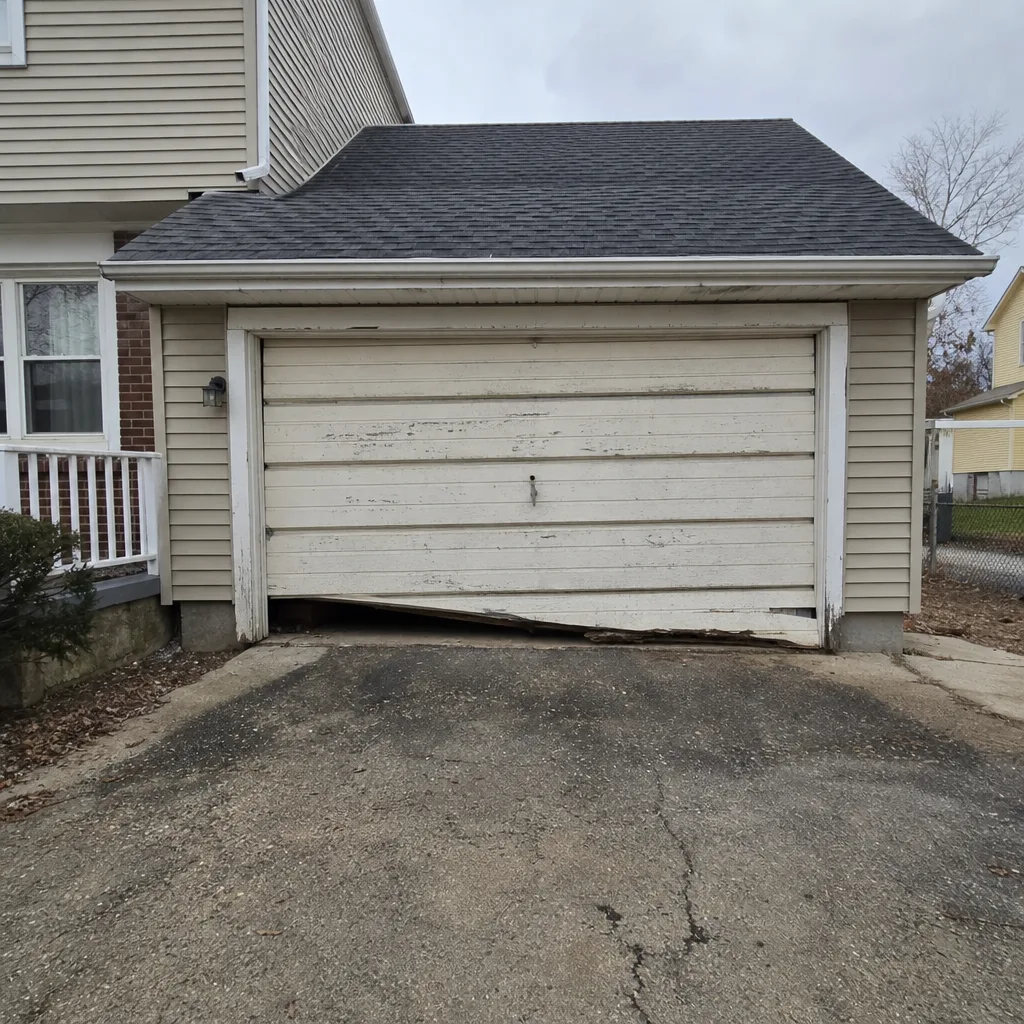 Before
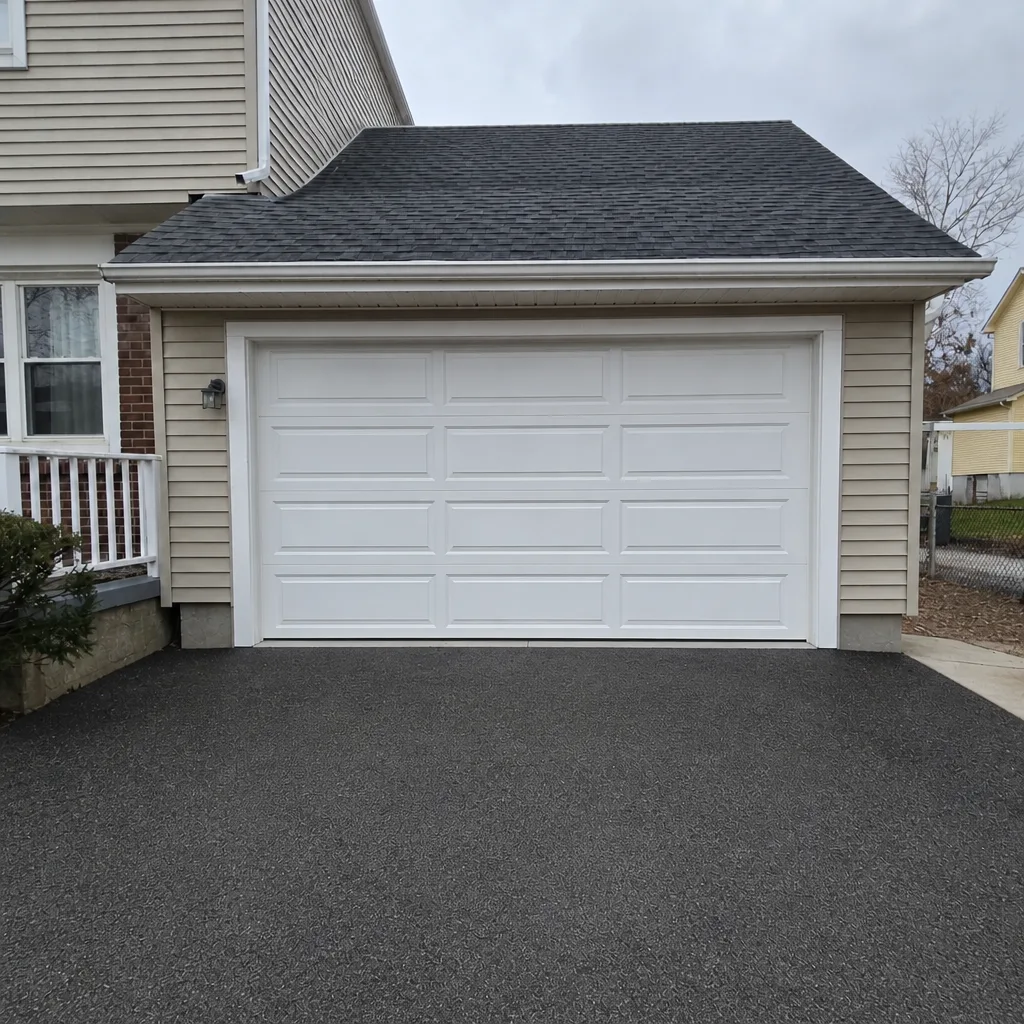 After
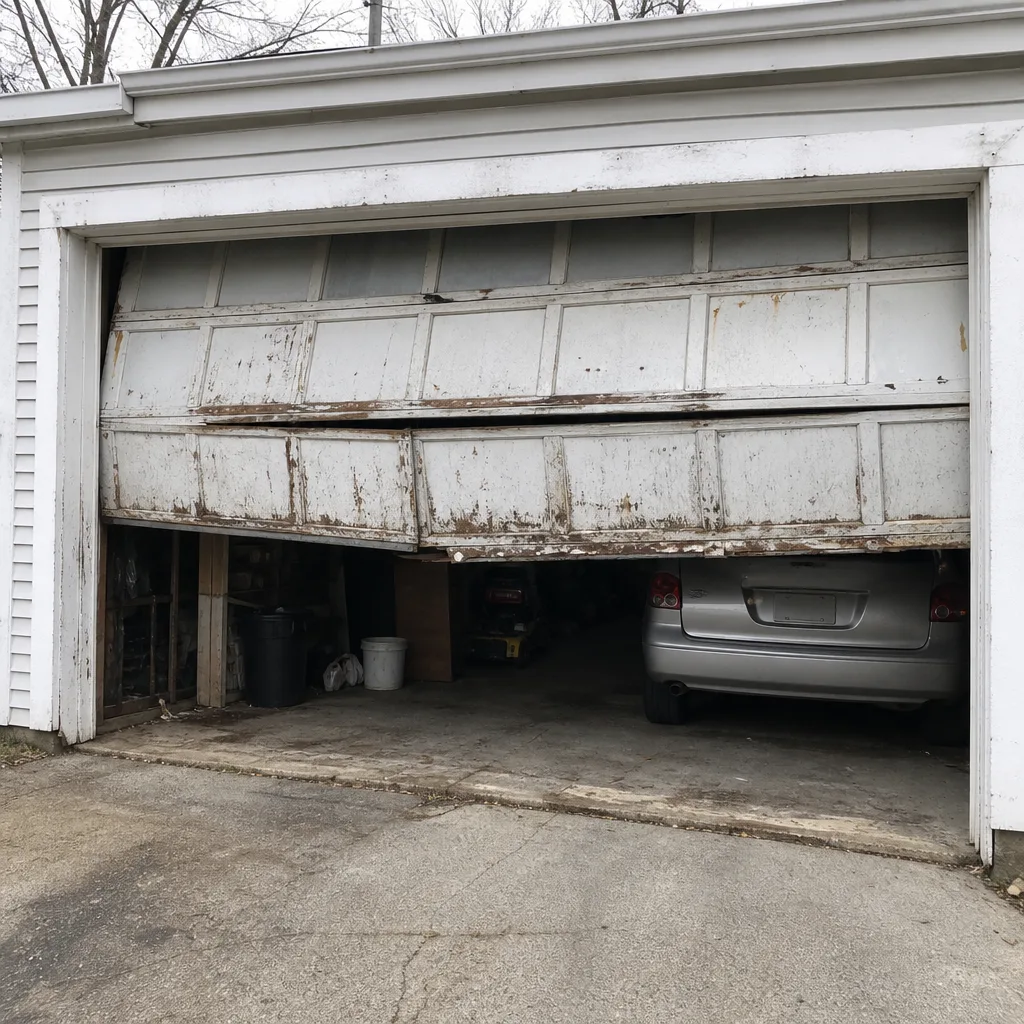 Before
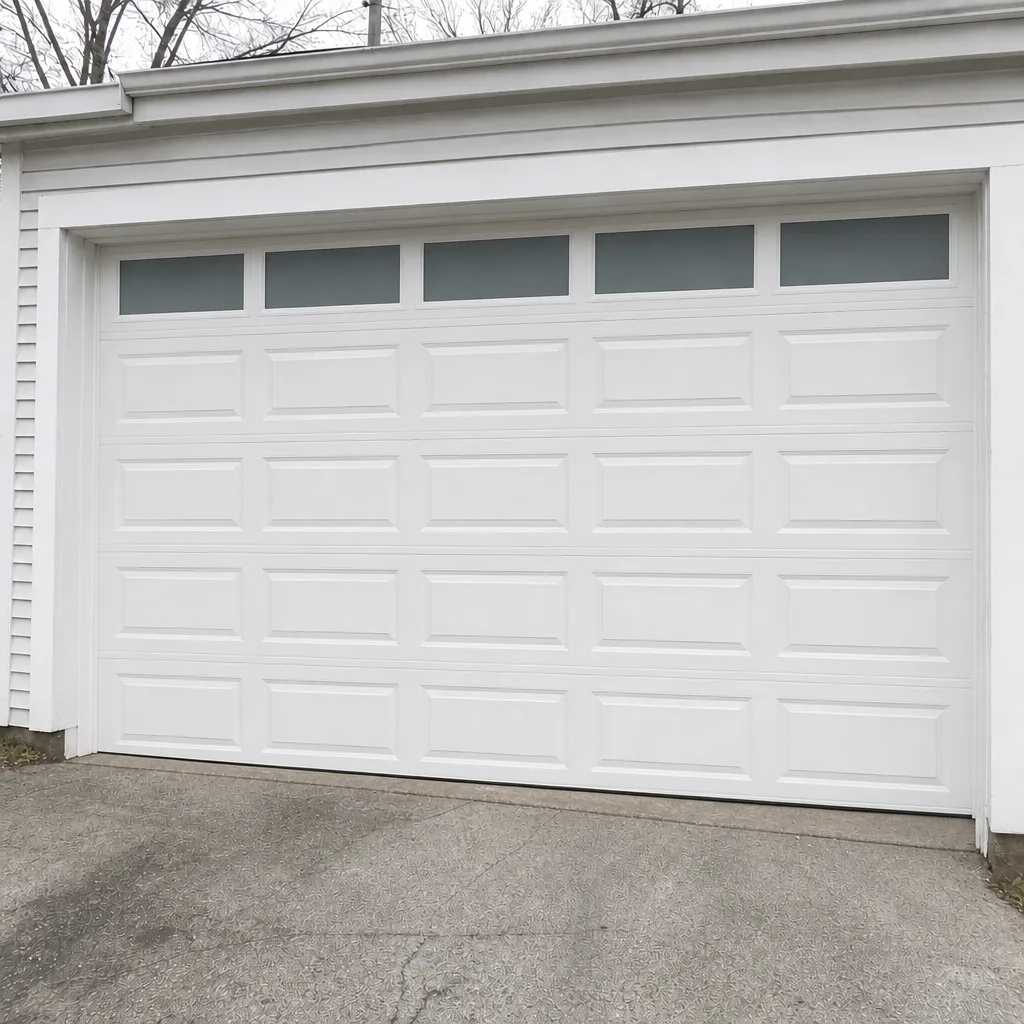 After
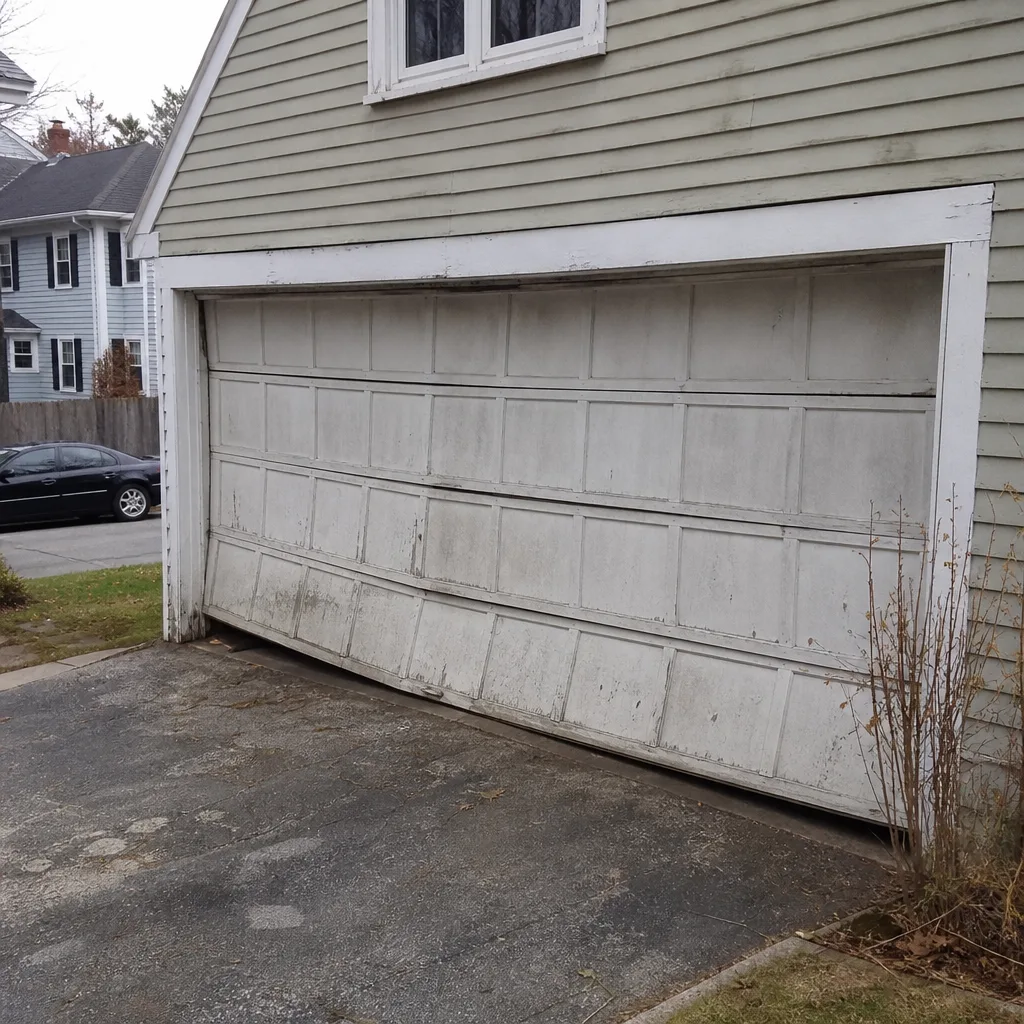 Before
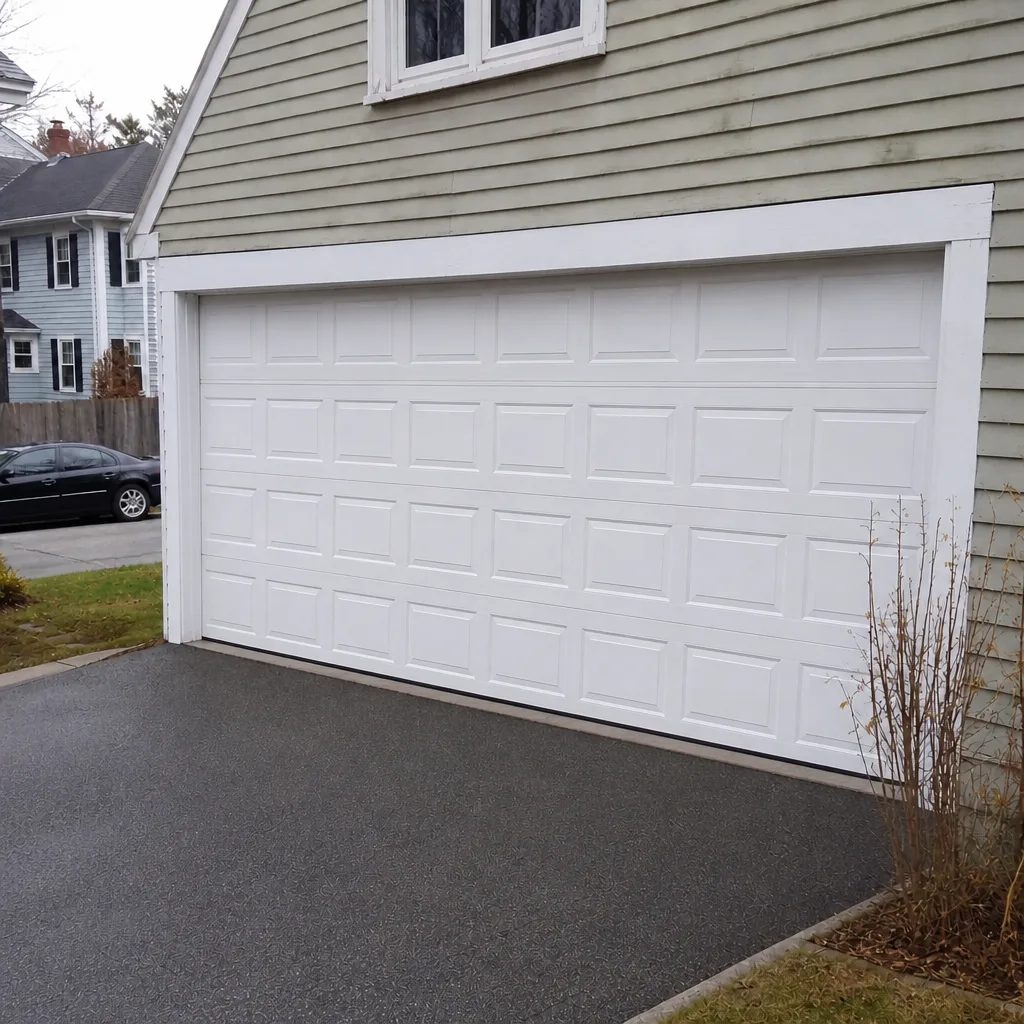 After
When to Call a Professional
Some garage door problems are DIY-friendly, and many aren’t. Call a professional when a torsion or extension spring is involved, when the door won’t lift or won’t stay balanced, when the opener reverses or behaves erratically, or when the track is bent or the frame is sagging in an older building. Call too if your door is a custom size, if it’s in a low-headroom conversion, or if you’re not sure your alley-access garage can take a standard replacement. For a new door, the written estimate taken from real measurements is the step that prevents expensive mistakes.
Charlestown Garage Door Repair offers free estimates in Charlestown – call (866) 401-6449. The team coordinates with vetted local professionals who are licensed and insured as their state requires, and our technicians have up to 12 years of experience.
Frequently Asked Questions
Most garage door replacements in Charlestown are quoted per job after a measurement, because the custom sizes common in carriage-house conversions and alley-access bays don’t fit a single national price. A standard-size steel door replacement costs less than a custom door with low-headroom hardware or a wall-mount opener. The written estimate sets the final price, and it’s quoted and agreed before any work starts. Call (866) 401-6449 for an exact quote – estimates are free.
It depends on your opening and headroom. Many Charlestown garages need a custom size or low-clearance hardware, but plenty take a standard door. The only reliable way to know is to measure the clear opening, side clearance, headroom, and back room before ordering. A trained professional can confirm in one visit whether a standard door works or a custom build is required.
Headroom is the space above the opening, and it decides which hardware the door can use. Converted carriage houses and condo basements often have less headroom than a standard door needs, which forces a low-headroom kit or a wall-mount opener. Without the right clearance, a door can’t open correctly and will wear out faster. Measuring headroom first prevents the most common replacement mistake.
They can. Properties in or near a historic district may face design review, and brownstone-row buildings often have association rules about exterior changes. Rules vary by block and building, so ask your city’s building department and your association directly before ordering. Starting that approval conversation early keeps your replacement timeline on track.
The local pro we connect you with is licensed and insured as their state requires, and our technicians have up to 12 years of experience. We work across major brands including LiftMaster, Chamberlain, Genie, Clopay, Amarr, Wayne Dalton, Craftsman, and Raynor, so the right specialist is matched to your system. Call (866) 401-6449 to get started – estimates are free.
Stop using the door and call a professional. A broken torsion spring makes the door dangerously heavy and the wound spring itself carries enormous tension that can cause serious injury if handled without the right tools. Springs are the most dangerous part of a garage door and we handle them as a dedicated service, so you don’t have to risk it. Call us today for help.
The Bottom Line
Charlestown garage doors are shaped by the buildings around them: 19th-century carriage-house conversions, condo basements with tight ceilings, and alley-access bays that don’t take a standard size. Get the measurements first – opening, side clearance, headroom, and back room – then choose hardware and a door that match. Pay attention to steel gauge and finish near the harbor, start design review and HOA approval early, and audit the existing system before you buy a replacement. Most repairs can keep a sound door working, and the dangerous parts like springs belong in a professional’s hands. Whether it’s the door, the opener, or the spring, the right diagnosis saves money. Call (866) 401-6449 for a free estimate.
Written by the team at Charlestown Garage Door Repair.