Last updated November 21, 2026
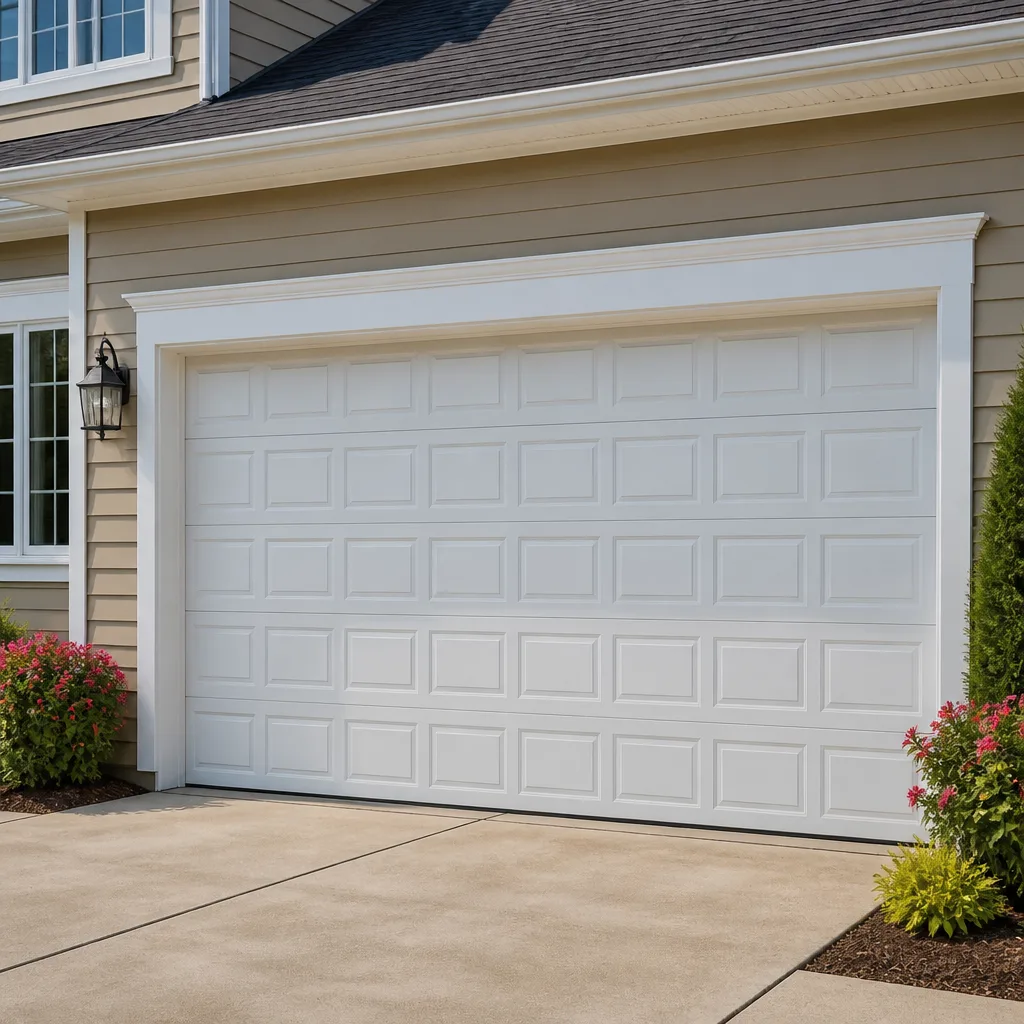 Raised-panel steel
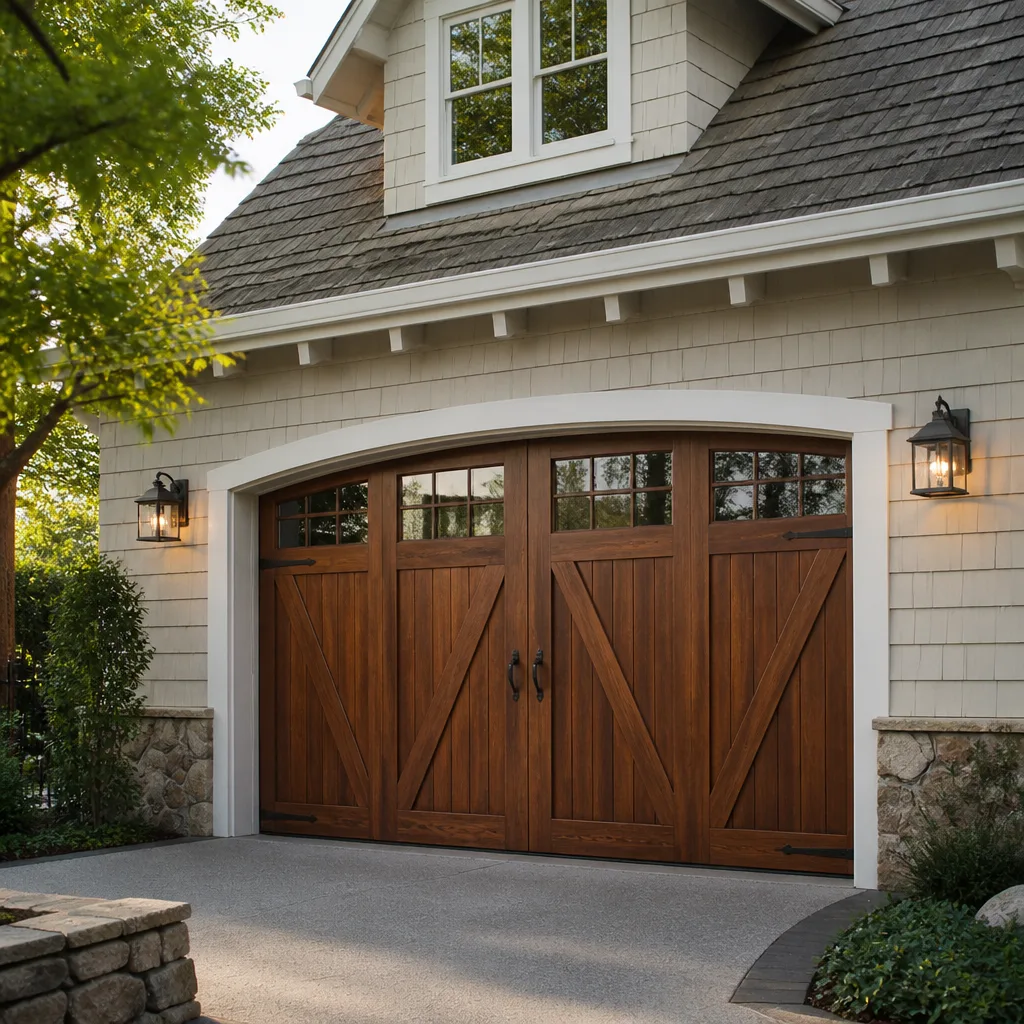 Carriage house
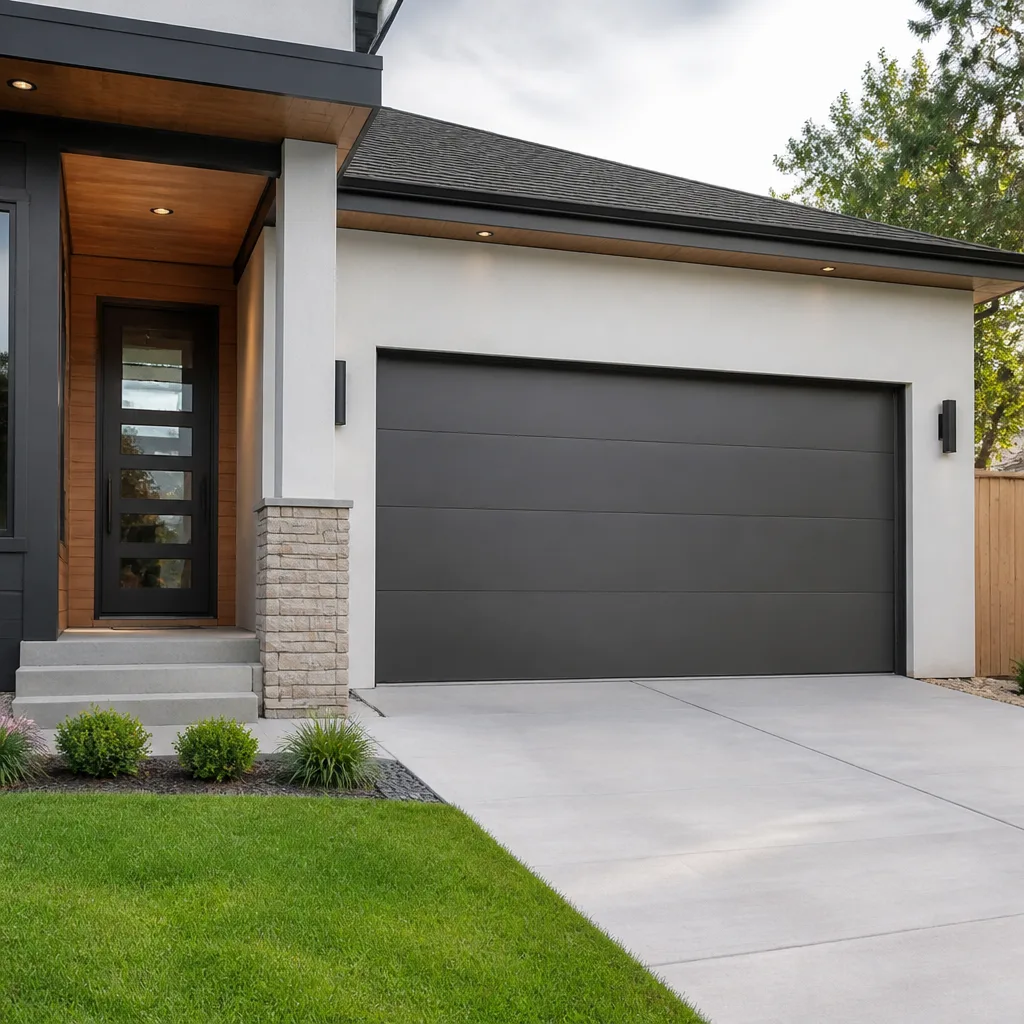 Modern flush
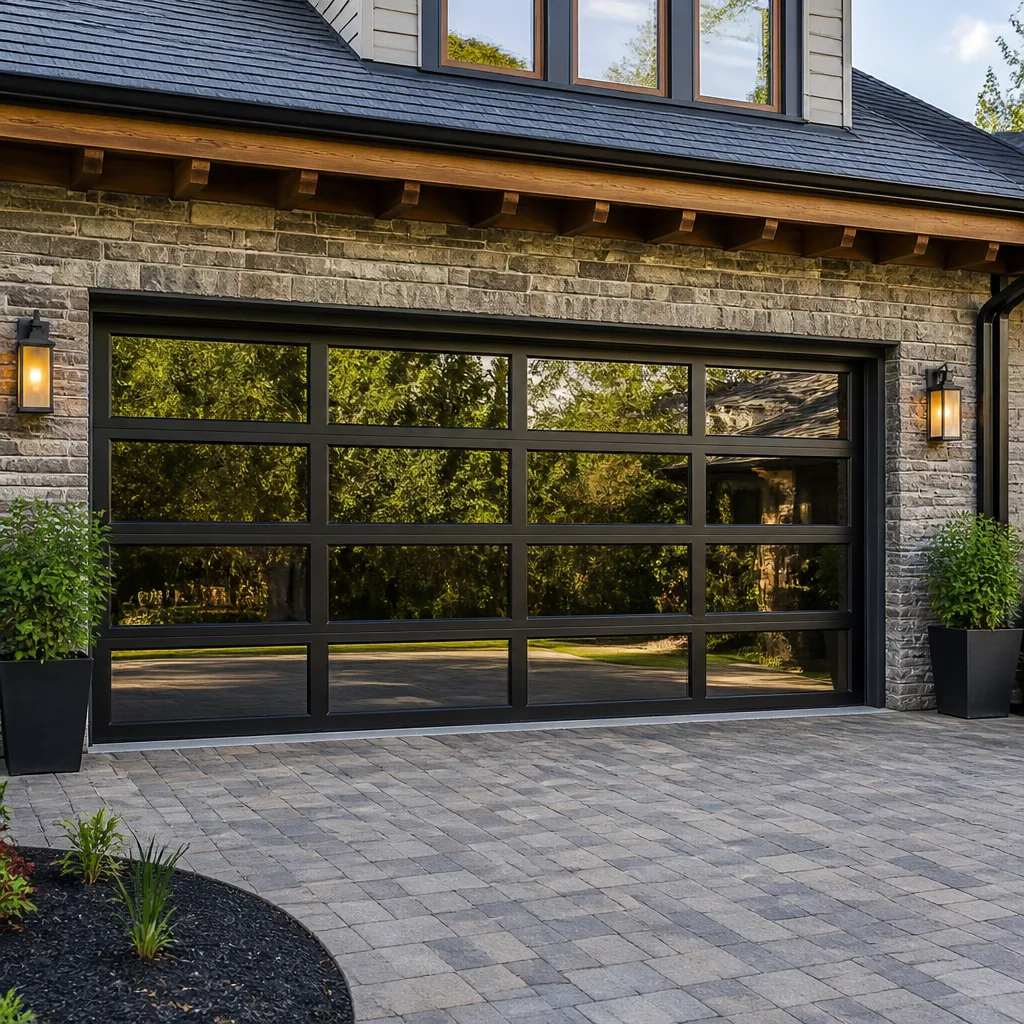 Full-view glass
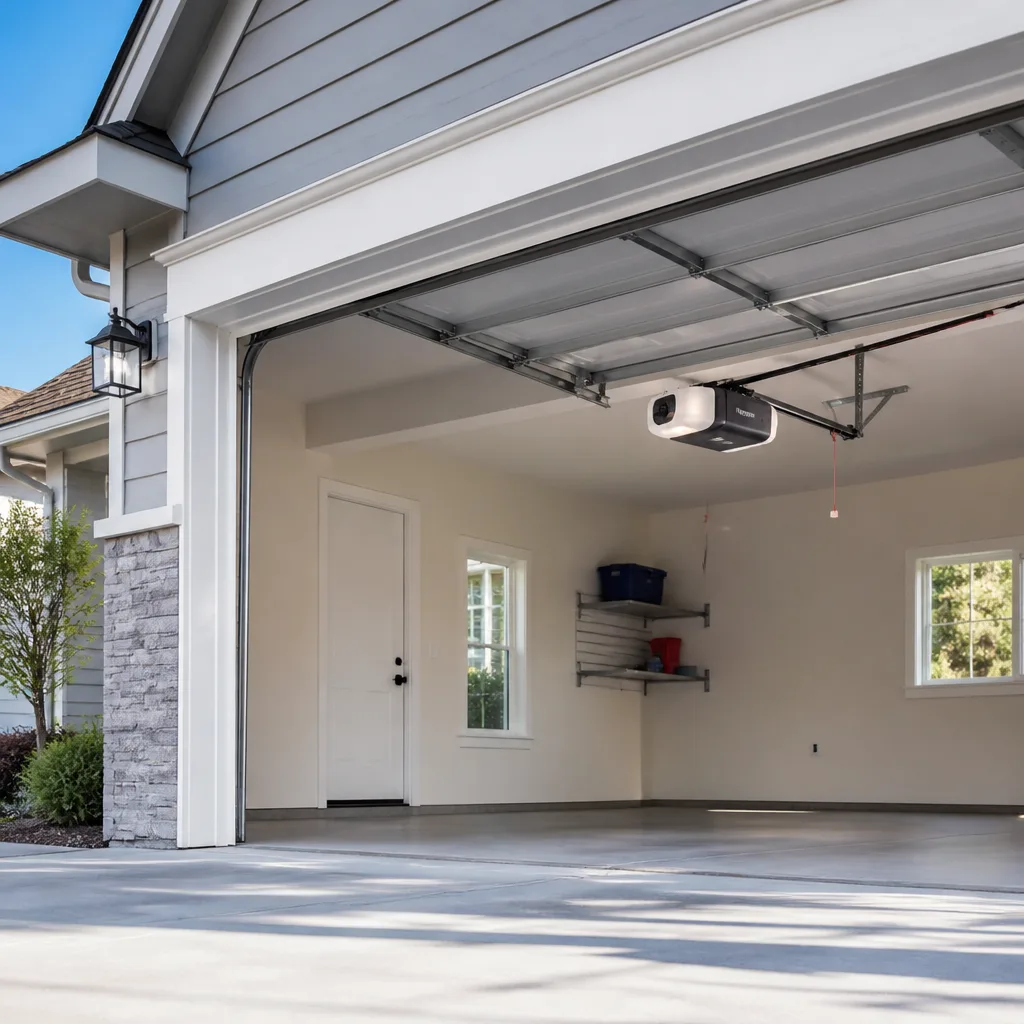 LiftMaster openers
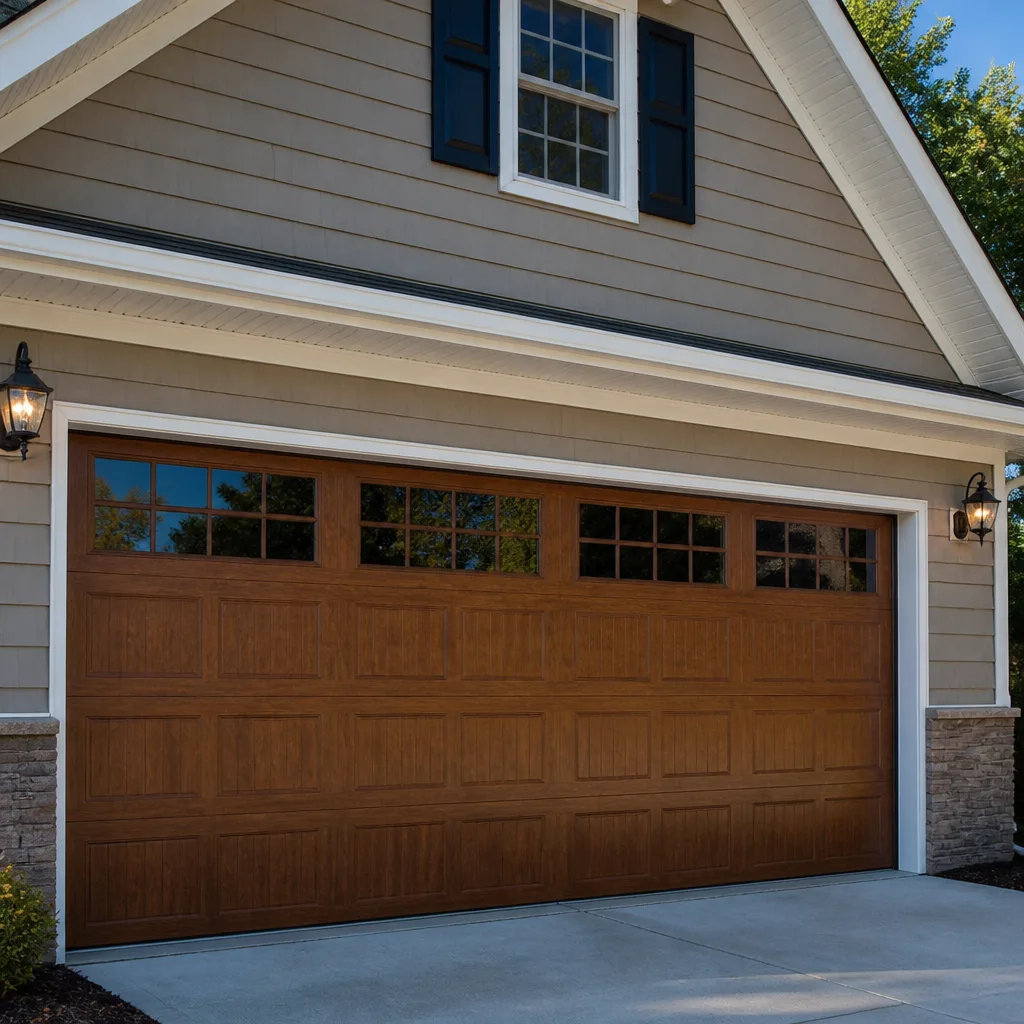 Chamberlain openers
Full 25-point door and opener safety check with every visit - springs, cables, rollers, tracks, and your LiftMaster or Chamberlain opener included
You get a price before we start. It does not change when the pro arrives.
Get your free estimateGarage Door Permits, Codes & Inspections in Charlestown, MA: What You Need to Know
Most Charlestown homeowners assume a garage door swap never needs a permit. For a straight like-for-like panel replacement, they’re usually right. But the moment a project touches structural framing, adds or moves an electrical circuit, or changes the size and shape of the opening, Massachusetts building code pulls the job into permit territory. Skip that step and a one-afternoon project can turn into a stop-work order, a forced restoration to the original dimensions, and a denied insurance claim when something goes wrong. This guide walks Charlestown homeowners through the exact threshold, the electrical rules, the historic district overlay, and what to get in writing before anyone touches your door.
Quick Answer
A like-for-like garage door replacement in Charlestown generally does not require a building permit, but any project that modifies the structural opening, changes the door’s dimensions, or adds a new electrical circuit for an opener typically does. Electrical work must be done by a licensed electrician, and properties inside Charlestown’s historic preservation areas may also need design review before a permit is issued. When in doubt, confirm with Boston’s Inspectional Services Department before work starts.
Styles & brands we work with
- Raised-panel steel
- Carriage house
- Modern flush
- Full-view glass
- LiftMaster openers
- Chamberlain openers
Table of Contents
- When does a garage door project need a Boston permit?
- What counts as a “structural opening modification”?
- How does Massachusetts electrical code apply to a new opener?
- Historic district overlay rules in Charlestown
- What an inspection actually checks
- What to request from your contractor in writing
- What permits and inspections typically cost
- Common mistakes to avoid
When does a garage door project need a Boston permit?
The dividing line is simple to state and easy to misjudge in practice: a replacement that keeps the same opening, the same dimensions, and the same structural conditions is generally exempt, while anything that changes the structure or adds a new circuit usually requires a permit from Boston’s Inspectional Services Department (ISD). Charlestown is part of Boston, so ISD is the authority that issues those permits, not a separate town building department.
The exemption people rely on is the like-to-like swap. If your existing door is, say, a standard Clopay panel door and you’re putting a new door of the same width and height into the same opening using the same mounting points, that’s a replacement. It doesn’t alter the building’s structure or the means of egress. That’s the scenario most Charlestown homeowners are actually in when a door finally gives out.
What pushes a job across the line is any change to the opening itself, or any new electrical work. Here’s a practical breakdown of what usually does and doesn’t need a permit:
- Usually exempt: replacing a door of the same size in the same opening; swapping an opener for one of the same type on an existing circuit; replacing springs, cables, rollers, or hinges.
- Usually requires a permit: widening or heightening the opening; cutting new framing or a new header; converting a wall to add a door where none existed; adding a new dedicated electrical circuit for an opener.
- Requires design review on top of a permit: any exterior change visible from the street on a property inside a Charlestown historic preservation area.
If you’re not sure which bucket your project falls into, the safest move is a quick call to ISD before you order a door. The answer costs nothing and prevents the worst outcome: finding out after installation that you needed approval you never got.
What counts as a “structural opening modification”?
A structural opening modification is any change to the size, shape, or load-bearing framing of the garage door opening. The garage door header is a structural beam, and the opening is framed into the wall. When you enlarge the opening, you’re changing how the wall above carries its load, and that’s exactly the kind of work building codes are written to regulate.
In Charlestown renovations, three scenarios trigger this most often:
- Widening the opening for a wider door. A homeowner wants a two-car-width opening instead of the existing single-door opening. The header has to be replaced with a longer, deeper beam, and the side framing has to move. This is a structural change and needs a permit and inspection.
- Raising the opening height for a taller door or a different track configuration. Even a few inches can mean new framing and a re-engineered header, especially in older Charlestown garages where the original header may already be marginal.
- Converting a wall or existing opening into a new garage door. Turning a solid wall into a garage door opening, or combining two smaller openings into one, is new structural work from the ground up.
There’s a reason this matters so much in Charlestown specifically. The neighborhood has a deep stock of older homes, carriage houses, and converted outbuildings where the garage framing wasn’t built to modern standards to begin with. When you start cutting into that framing to change an opening, the margin for error is smaller than it would be in a newer build, and an inspector will want to see the work done to current code rather than the code in force when the building went up.
If your project does cross into structural territory, plan the sequencing carefully. The permit comes first, the structural work second, the inspection third, and the door installation last. Rushing the order is how homeowners end up with a finished door that has to come back off. For the installation side of the job, see our page on garage door installation.
How does Massachusetts electrical code apply to a new opener?
Any new electrical circuit for a garage door opener must be installed by a licensed electrician and inspected. That’s the short version. The longer version is about understanding which opener jobs are electrical work and which aren’t.
Replacing an opener on an existing circuit is generally not new electrical work. The circuit, the outlet, and the wiring are already there. Swapping a LiftMaster or Chamberlain unit for a comparable one is a mechanical and low-voltage job, not a wiring job. That’s the common case in Charlestown, and it doesn’t usually pull an electrician into the project.
What does bring in an electrician:
- A new dedicated circuit. If there’s no existing power at the opener location, or the existing circuit can’t safely carry the new unit, a new circuit has to be run from the panel. That’s licensed electrical work and needs a permit and inspection.
- Moving the opener’s power source. Relocating an outlet or running new wiring to a different ceiling location is electrical work.
- Adding safety devices that need wiring. Modern openers rely on photo-eye safety sensors near the floor and, on many units, a wall-mounted control. On a new installation these can involve low-voltage wiring runs that have to be done correctly to keep the safety system functional.
One point worth flagging: if a garage door opener circuit is added or altered without an electrical inspection, and a problem later traces back to that wiring, a homeowner’s insurance claim can be contested on the grounds that unpermitted electrical work was done. That’s the quiet risk behind the “it’s just an outlet” assumption. A Genie or Chamberlain opener is a safe, well-understood machine, but it’s only as safe as the circuit feeding it. If you’re weighing a repair versus a replacement, our garage door opener repair page covers when a fix makes more sense than a swap.
On the mechanical side, the door itself carries forces that are dangerous to work around. Springs and cables are under extreme tension and can cause serious injury if handled without the right tools and training. We handle that work so homeowners don’t have to, and we’d give the same advice about the electrical side: leave new circuits to a licensed electrician.
Historic district overlay rules in Charlestown
If your property sits inside one of Charlestown’s designated historic preservation areas, an exterior change to your garage door may need design review on top of any building permit. The overlay exists to keep visible changes consistent with the neighborhood’s character, and garage doors are visible from the street in many Charlestown settings, so they fall within its scope.
What this means practically depends on what you’re changing:
- Like-for-like replacement in the same style and material: often the simplest path. A new door that closely matches the existing one is less likely to raise design review questions, though confirming with the preservation authority before ordering is still the right move.
- A change in material, style, or color: design review becomes much more likely, and it can affect what door you’re allowed to install. This is where homeowners who ordered a door first and asked questions later run into trouble.
- Any change to the opening’s size or shape: this stacks a structural permit on top of design review, and the review can delay the whole project.
The practical takeaway is sequencing. Before you order a door, find out whether your property is in a preservation area and, if it is, what the review process expects. This is one of the areas where a little patience up front saves a lot of rework. It also affects which brands and models are viable, since some of what Clopay or Amarr offers in a given style may or may not fit the review’s expectations for the neighborhood. Getting the door specification right for both the review and the manufacturer’s lead time is part of planning a job in Charlestown that doesn’t stall.
What an inspection actually checks
An inspection for a permitted garage door project focuses on whether the structural and electrical work was done to code. It’s not a mechanical inspection of your opener’s settings or a quality check on the door’s finish. Knowing what inspectors look at helps you understand why certain steps matter.
For a structural permit, an inspector typically reviews:
- The framing and header. Is the new opening framed correctly, with a header sized for the load above it and properly connected to the surrounding structure?
- Dimensions and placement. Does the opening match what the permit described? Variation from the approved plan is a common reason for a failed inspection.
- Connections and fasteners. Are the structural connections done with the right materials and methods?
For an electrical permit, the inspector checks the circuit’s wiring, grounding, and connections, and confirms it meets code for the load. For a project inside a historic area, design review runs separately from the building and electrical inspections and confirms the visible result matches what was approved.
The pattern to notice is that inspections happen at stages, not all at the end. If you install the door before the structural inspection, the inspector can’t see the framing, and you may be asked to open it back up. Sequencing the trades so each inspection happens before the next layer covers the work is the whole game. Our team works on repair, opener repair, spring work, parts, and full installs, but structural framing and new electrical circuits belong to the licensed trades who pull their own permits.
What to request from your contractor in writing
Before any work starts, get the permit responsibility nailed down in writing. This single step prevents most of the disputes that happen around Charlestown garage door projects. A verbal “we’ll handle it” is not enough when the consequences of getting it wrong land on the homeowner.
Ask your contractor to put the following in writing:
- Who is pulling the permit, and for which scope. The building permit and the electrical permit may go to different parties. Get the name and license of whoever is responsible, and confirm it in the contract.
- A clear scope description. The written scope should state the door’s dimensions, the framing work (if any), and whether an electrician is involved. This is what an inspector will compare against.
- Permit and inspection costs as line items. Separate the permit fees and inspection-related costs from the installation labor, so you can see what you’re paying for.
- A statement of what the contractor will and won’t do. If structural framing or electrical work is being handled by someone else, the contract should say so explicitly rather than implying it’s included.
- The final price and confirmation that the written estimate is the price. Get it in the contract that the quoted figure is the price, subject only to changes you approve in writing.
One more thing worth asking for: a copy of the permit once it’s pulled, and the inspection sign-offs when the work is done. Keep them with your home records. If you ever sell, or ever file a claim, having the paper trail is what turns a well-done job into a documented one. A permit you can produce is worth far more than a permit you assume was handled.
What permits and inspections typically cost
Permit fees and the related costs of doing a garage door project by the book vary with scope, and they’re separate from the door and labor. Here’s a typical picture of what to expect in Charlestown, framed as estimates rather than fixed figures. The written estimate and the city’s own fee schedule set the final numbers.
- Building permit for a structural opening change: varies with the scope of framing; budget for a modest fee on top of the project cost, confirmed with Boston ISD.
- Electrical permit for a new opener circuit: varies with the electrician’s scope and the building’s panel; the electrician provides this figure.
- Design review for historic properties: governed by the preservation authority; confirm whether a fee applies to your specific review.
- Like-for-like replacement, no structural or electrical change: typically no permit fees, since the job is generally exempt.
- Spring repair, opener repair, and parts: mechanical service, no permit involved.
The larger cost most homeowners actually face is the door and the installation itself, which our team handles. For a breakdown of repair and replacement pricing, see our garage door repair page. If a spring has snapped and the door won’t lift, that’s the highest-priority failure and our dedicated spring service is the fix. Springs are the most dangerous part of the system and are not a do-it-yourself job.
Whatever the scope, the principle is the same: you get a written estimate before work starts, the price is quoted and agreed before any work begins, and the written estimate sets the final price. Call (866) 401-6449 for a free estimate.
Common mistakes to avoid
We’ve seen these come up often enough in Charlestown to list them plainly. Each is avoidable with a little foresight.
- Assuming every door replacement is permit-free. Like-for-like swaps generally are, but structural or electrical changes usually aren’t. Confirm the scope before ordering, because the door’s dimensions are exactly what an inspector will check.
- Ordering a door before checking the historic overlay. If your property is in a preservation area, the review can affect the style and material you’re allowed to install. Check first, order second.
- Letting the door go in before the structural inspection. An inspector needs to see the framing. If the door is already on, the work can be hidden and you may be asked to open it back up.
- Treating a new opener circuit as a low-voltage job. New circuits require a licensed electrician and an inspection. An unpermitted circuit is a liability if a claim ever arises.
- Accepting a verbal promise that “we’ll handle the permit.” Get the responsible party and scope in the written contract. A verbal agreement is worth very little if the permit never gets pulled.
- Trying to save money by skipping the electrician on a new circuit. The savings are small relative to the risk, and insurers look carefully at unpermitted electrical work.
- Not keeping the permit and inspection records. These documents matter when you sell or file a claim. A well-documented job protects the homeowner, not just the contractor.
See the difference
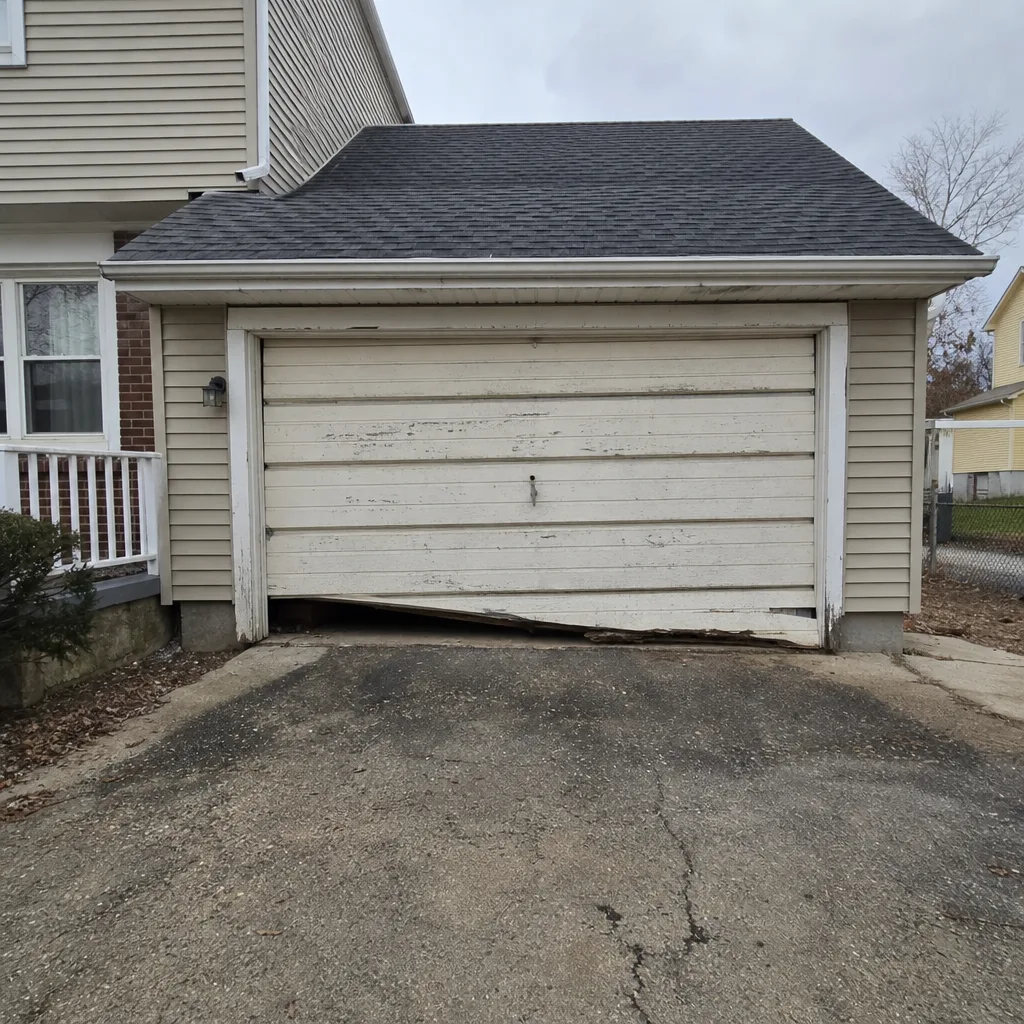 Before
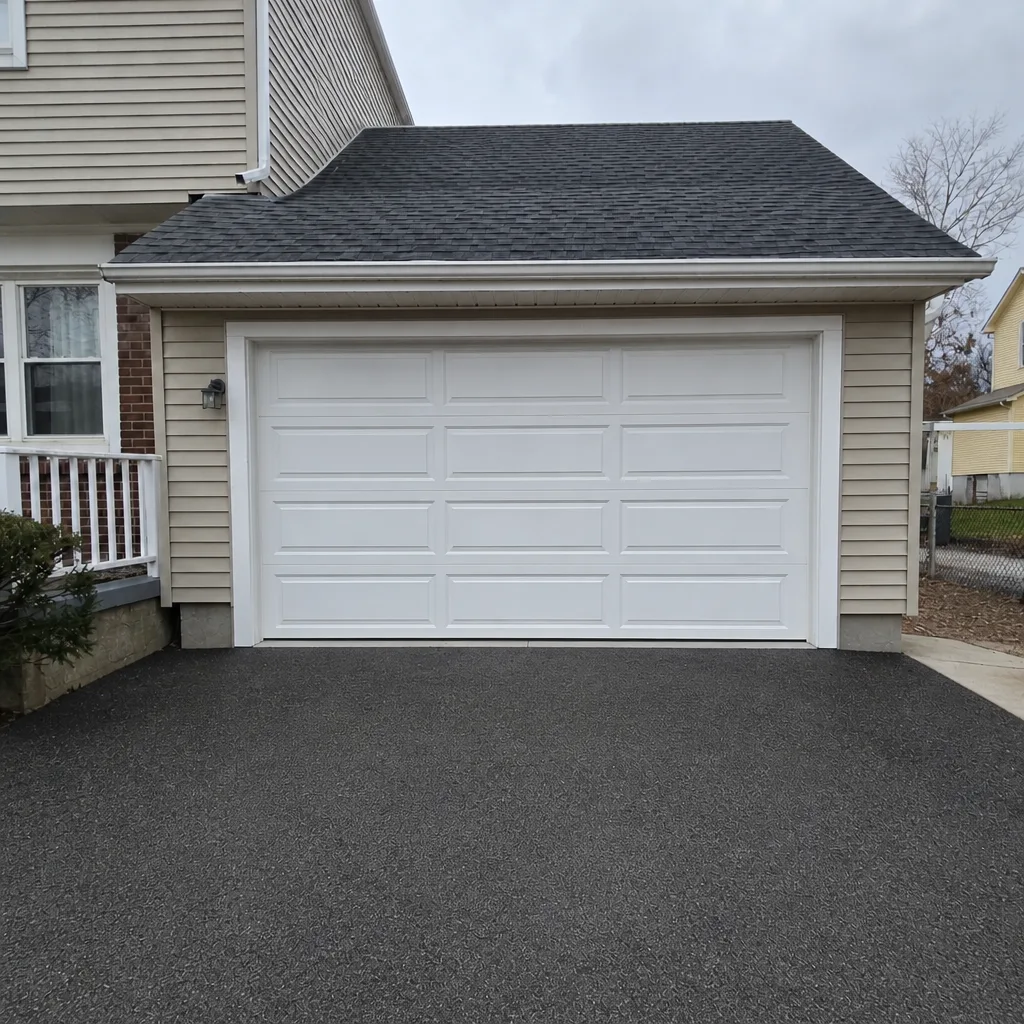 After
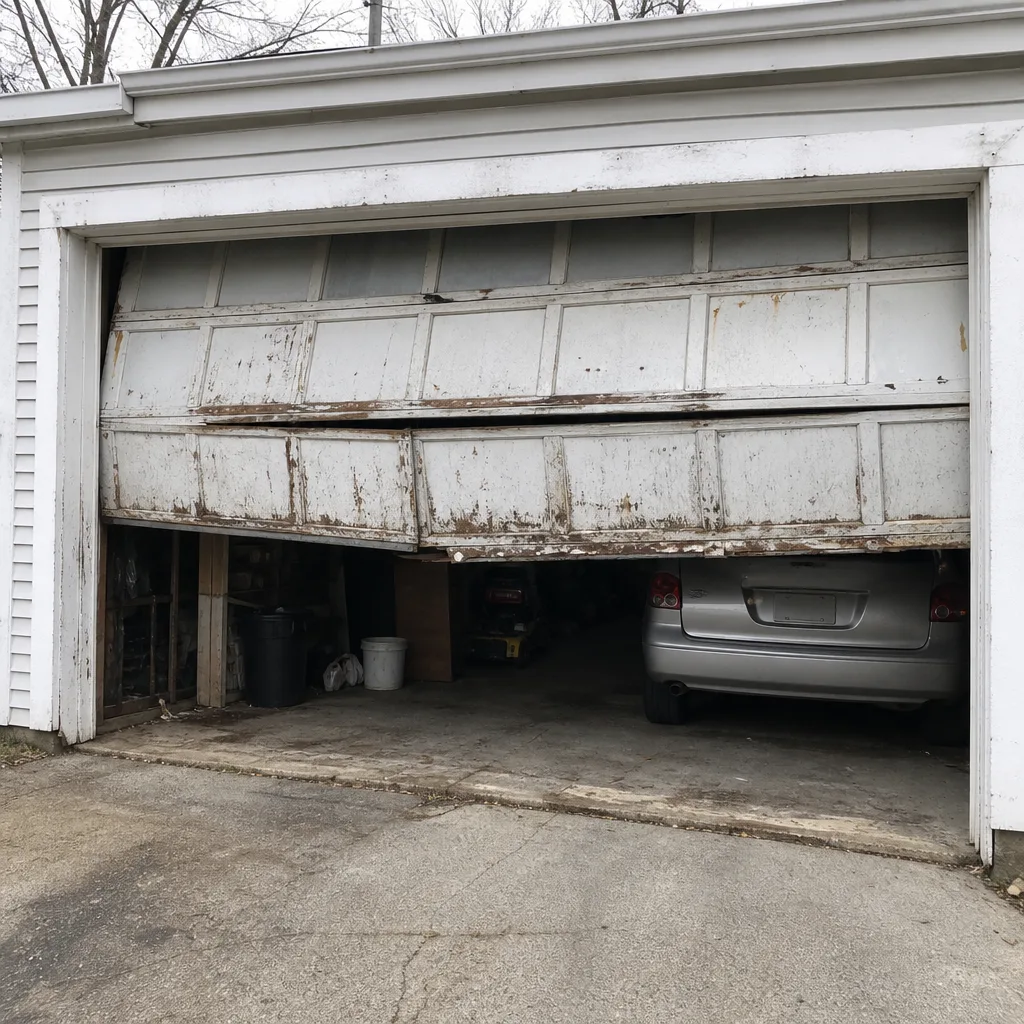 Before
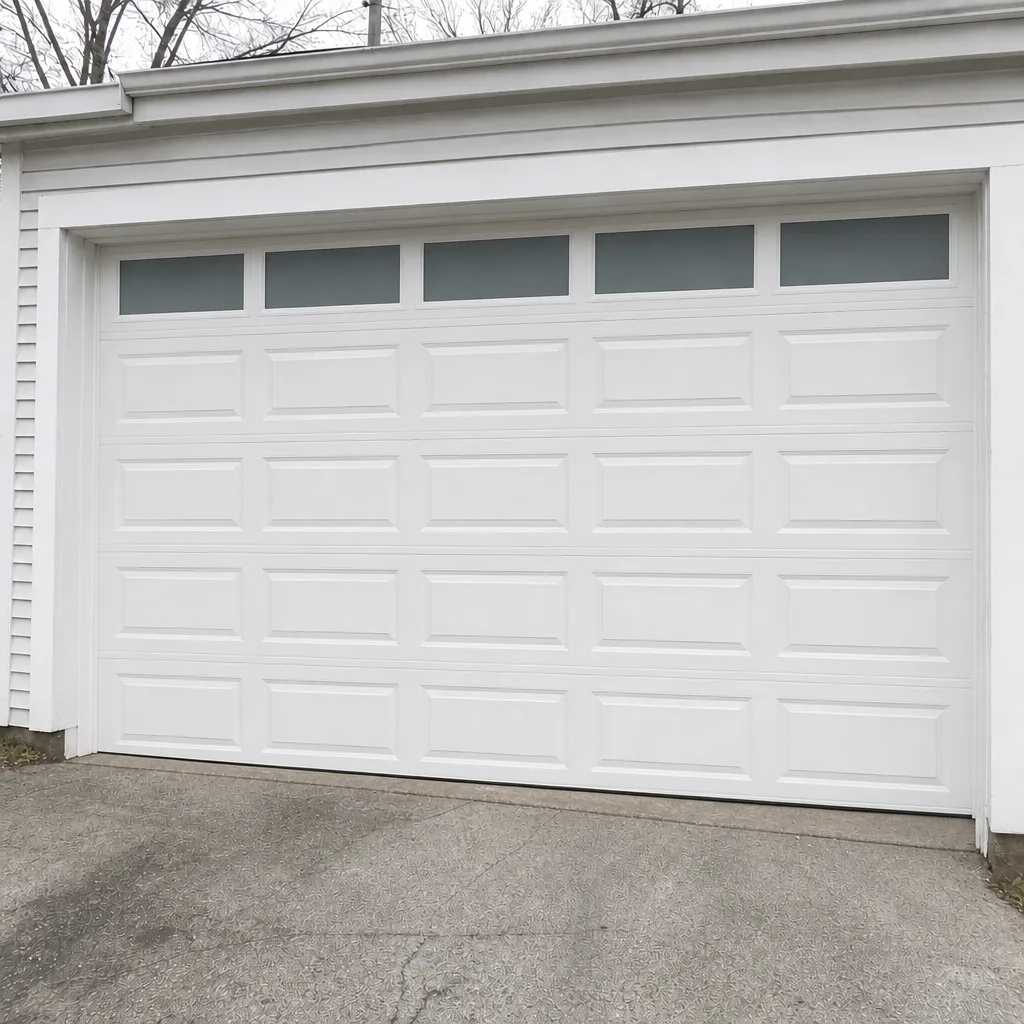 After
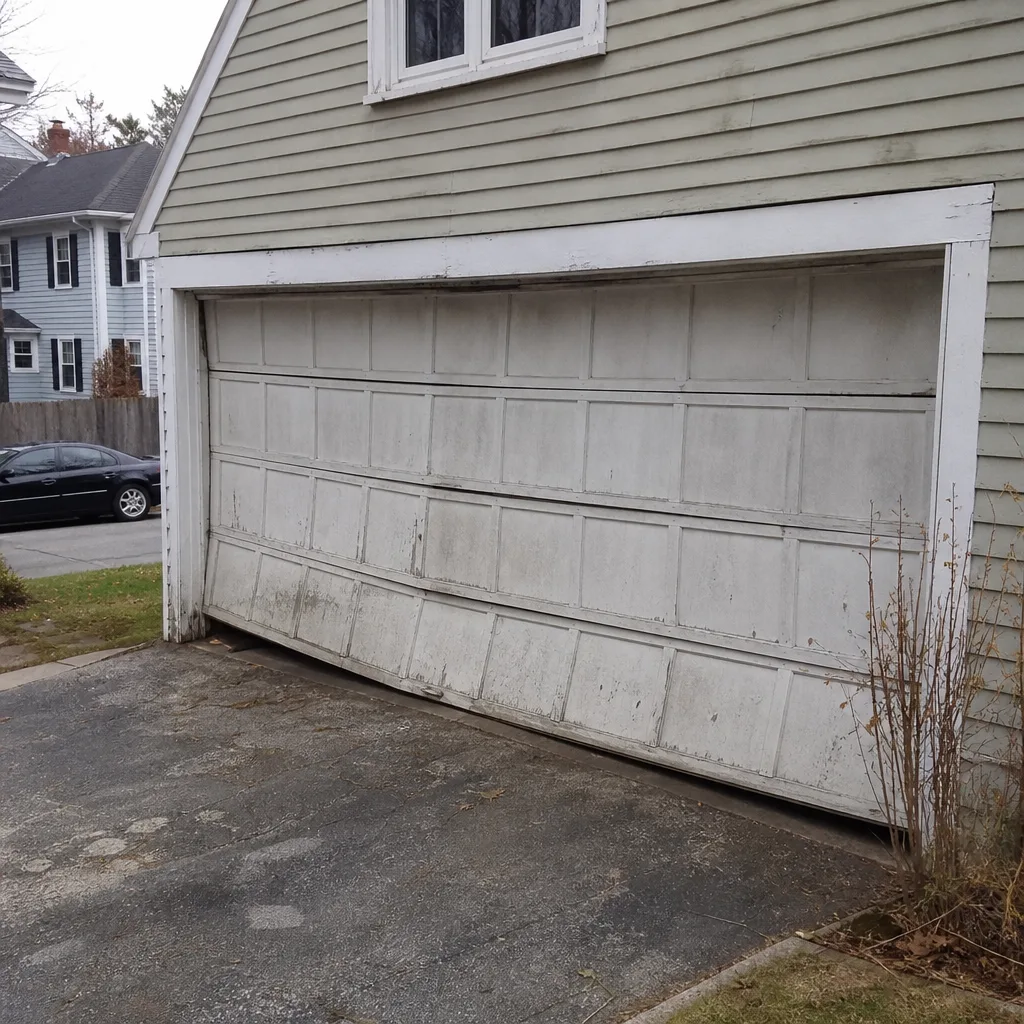 Before
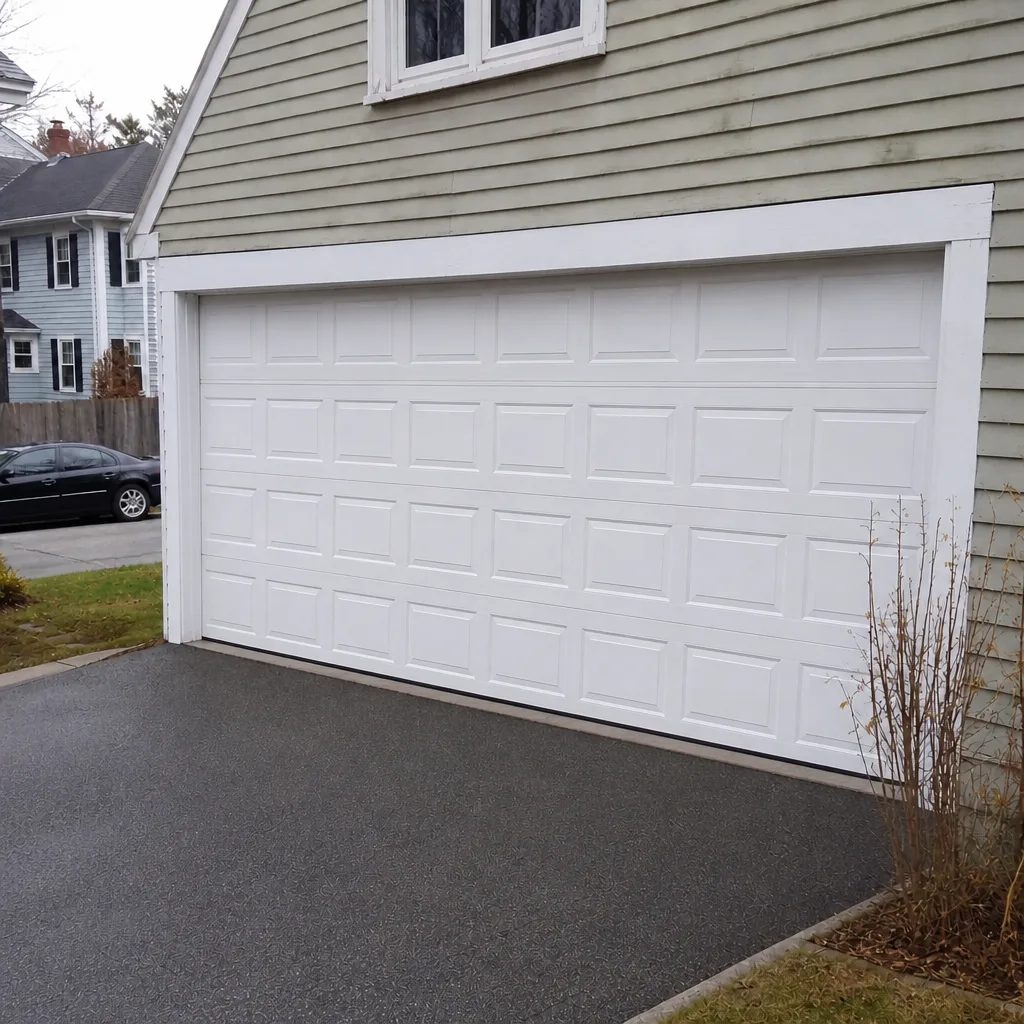 After
When to Call a Professional
Some garage door work is genuinely straightforward, and some of it is dangerous or regulated. Call a professional when a spring or cable has failed, when the door is off its tracks or the opener won’t respond, when you’re planning a replacement that changes the opening’s size or adds a new circuit, or when you’re inside a Charlestown historic area and need the door chosen correctly for review. Skip the call only for the genuinely simple stuff, like swapping a lightbulb on the opener or replacing a remote battery.
Charlestown Garage Door Repair offers free estimates in Charlestown. We work on the door, the opener, the springs, and the parts, and we cover the brands you’re most likely to own: LiftMaster, Chamberlain, Genie, Clopay, Amarr, Wayne Dalton, Craftsman, and Raynor. Our technicians have up to 12 years of experience, and we can work with your insurer on a claim. Call (866) 401-6449.
Frequently Asked Questions
A like-for-like garage door replacement in the same opening, at the same size, generally does not need a building permit. Projects that change the opening’s size or framing, or add a new electrical circuit, typically do need a permit from Boston’s Inspectional Services Department. Confirm with ISD before work starts if you’re unsure.
Only if it needs a new circuit or the wiring has to be moved. Replacing an opener on an existing circuit is generally not new electrical work, but a new dedicated circuit must be installed by a licensed electrician and inspected. If you’re not sure which case you’re in, ask before the job is scheduled.
A structural opening modification is any change to the size, shape, or framing of the garage door opening, including replacing or enlarging the header beam, moving the side framing, or turning a wall into a new door opening. These changes require a building permit and inspection, unlike a same-size replacement, which is generally exempt.
Exterior changes visible from the street may need design review on top of any building permit. Like-for-like replacements in the same style are usually simpler, while changes in material, style, or dimensions are more likely to be reviewed. Confirm your property’s status and the review process before ordering a door.
You get a written estimate before work begins, and the written estimate sets the final price. Changes that come up during the job are quoted and agreed with you in writing before any additional work is done. The price you agree to is the price you pay. Call (866) 401-6449 for a free estimate.
The local professionals who perform the work are licensed and insured as their state requires. Structural framing and new electrical work are handled by the licensed trades who pull their own permits, and our team handles the door, opener, springs, and parts. Call (866) 401-6449 with questions about a specific project.
The Bottom Line
The permit question comes down to scope. A same-size garage door replacement in Charlestown is usually exempt. A project that changes the opening’s framing, adds a new electrical circuit, or alters the exterior in a historic preservation area pulls you into permitting, inspection, and, in some cases, design review. Get the scope right, confirm the threshold with Boston ISD, and get permit responsibility in writing before anyone touches the door. Do that, and the job stays on schedule and your home records stay clean. Skip it, and a one-afternoon project becomes a much larger problem. Call (866) 401-6449 for a free estimate, and see how we handle Charlestown Garage Door Repair from diagnosis through the finish.
Written by the team at Charlestown Garage Door Repair.